
🧬 10 Essential Tips for Identifying & Managing Skin Parasite-Like Conditions (e.g., Cutaneous Myiasis)
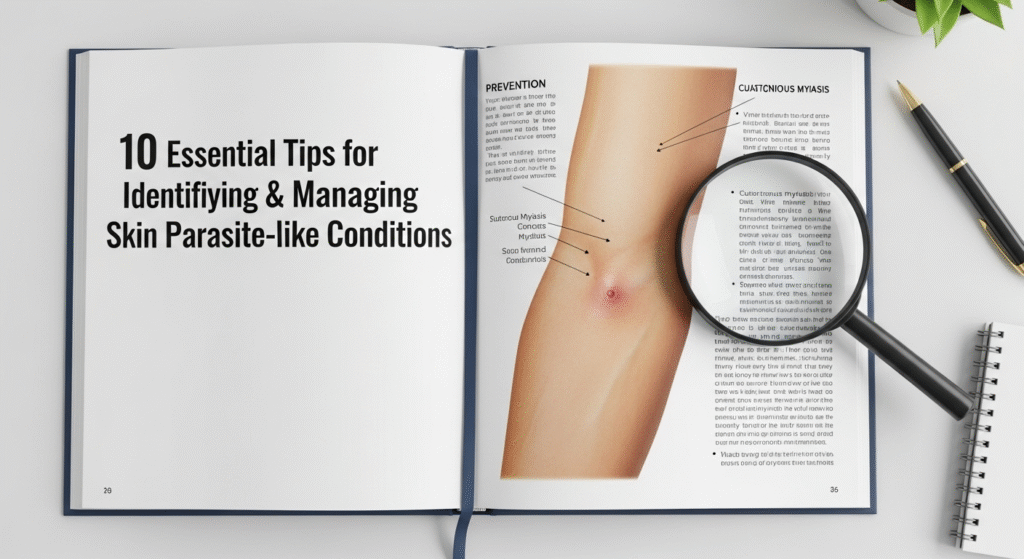
⚠️ Viewer Discretion Advised: Some skin parasite infestations, like cutaneous myiasis, can look terrifying — but knowing how to identify and manage them early can save you from serious complications.
🕷️ What Is Cutaneous Myiasis?
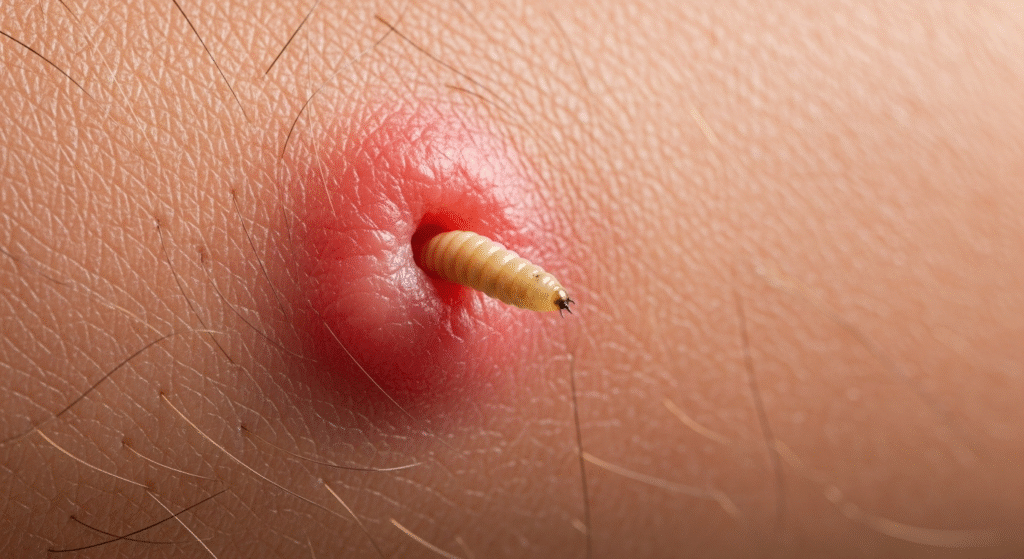
Cutaneous Myiasis is a skin infestation caused by fly larvae (maggots) that burrow into the skin and feed on living tissue. It’s most common in tropical or rural areas where certain flies (like botflies or tumbu flies) lay eggs on the skin or open wounds.
Once hatched, the larvae live under the skin, causing painful swelling, pus, and movement sensations — often mistaken for acne or boils.
⚡ 10 Smart Tips to Identify & Manage Skin Parasite-Like Conditions
1. 👀 Spot the Signs Early
Watch for red, swollen bumps that move or ooze fluid. A small opening (breathing hole) in the center could indicate a larva inside.
Don’t ignore a “pimple” that pulsates or increases in pain.
2. 🔍 Check for Recent Insect Bites
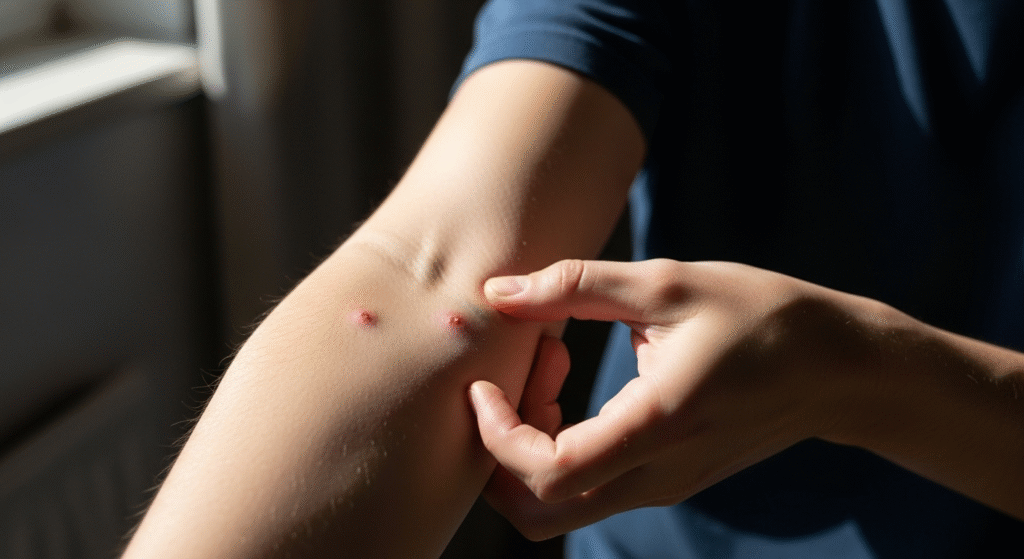
If you’ve been in tropical, humid, or rural areas — or around livestock — and notice strange skin bumps, suspect parasitic infection rather than a simple bite.
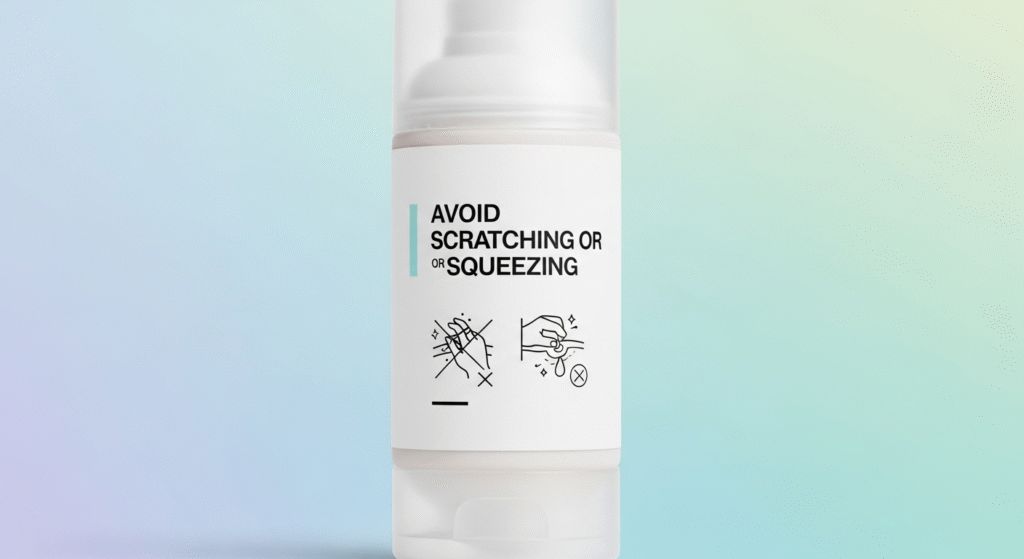
3. 🧴 Avoid Scratching or Squeezing
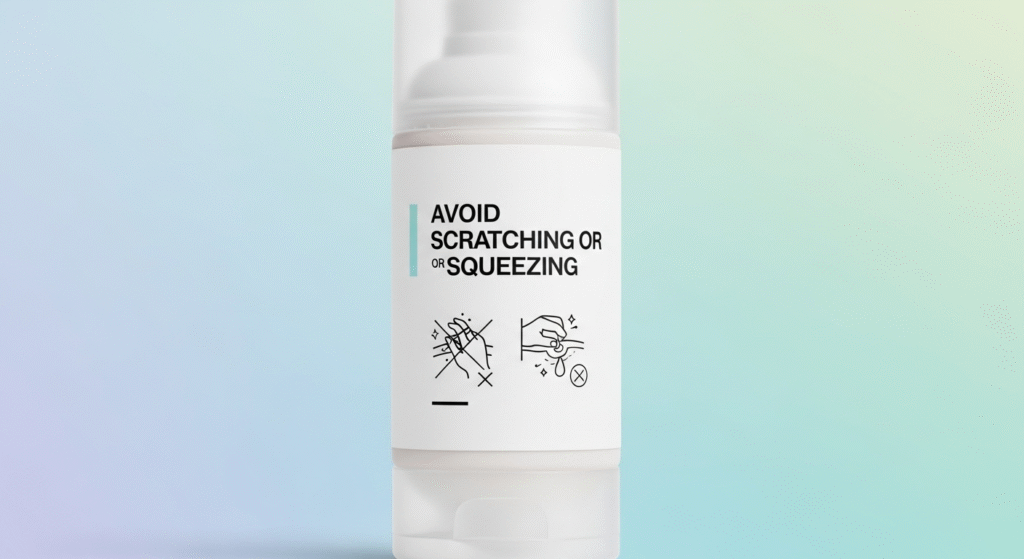
Trying to pop the bump can rupture the larva, causing severe infection or spreading bacteria deeper into the skin.
4. 💧 Keep the Area Clean & Covered
Clean the lesion with antiseptic or saline solution twice daily. Cover it loosely to prevent further contamination from insects or dirt.
5. 🪞 Observe for Movement
If you feel a crawling or wriggling sensation inside the lump — it’s a major sign of cutaneous myiasis. Don’t panic, but seek medical help immediately.
6. 🧑⚕️ Seek Professional Removal

A doctor can safely extract the larva using sterile tools or suffocation methods (like occluding the hole with petroleum jelly, forcing the parasite to emerge).
7. 🧊 Try a Cold Compress
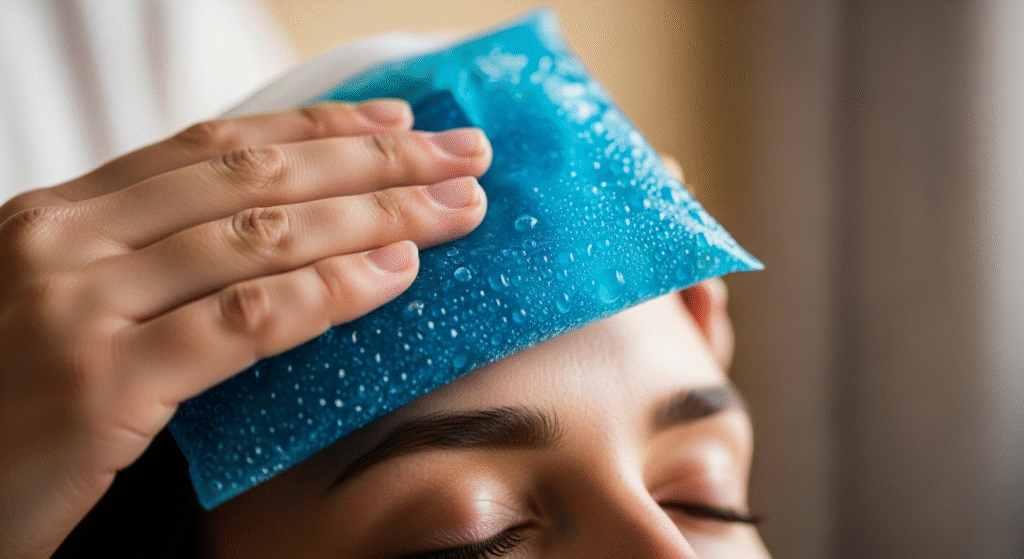
For mild discomfort or inflammation, applying a cold compress helps reduce pain and slows larval activity before removal.
8. 💊 Use Prescribed Antibiotics
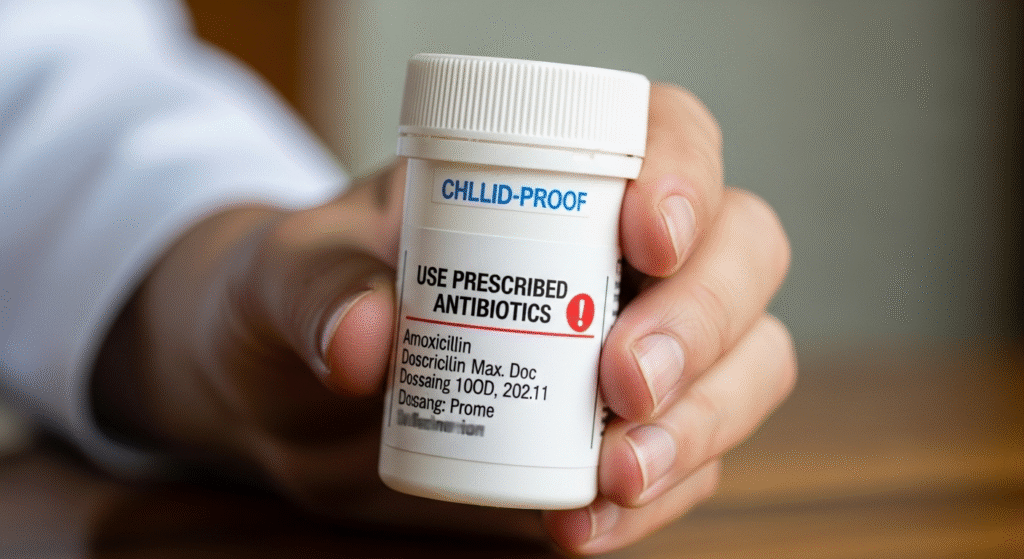
After removal, a doctor may prescribe antibiotics or anti-parasitic medication to kill remaining larvae or bacteria and prevent infection.
9. 🚫 Avoid Home Remedies That Seal Deep
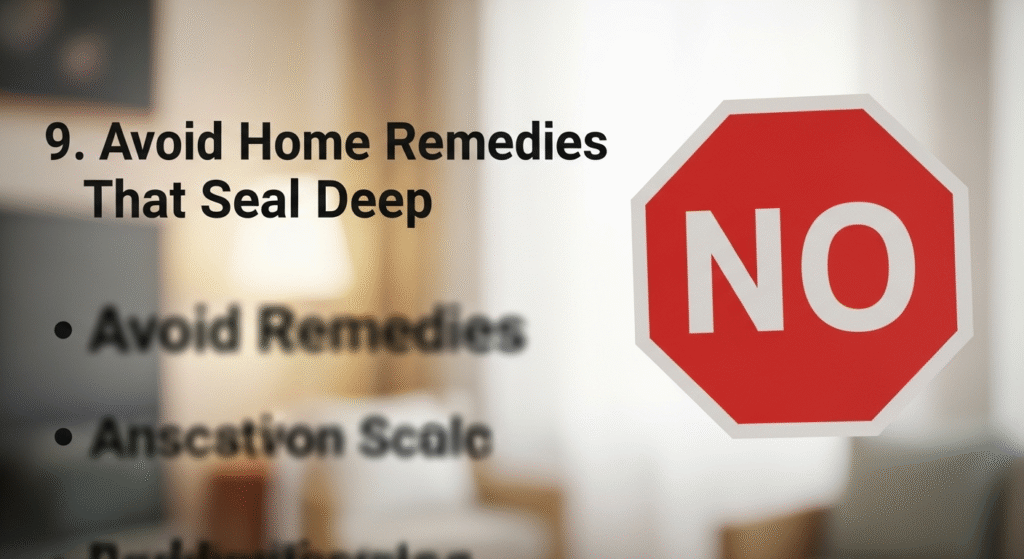
Don’t use glue, wax, or aggressive oils to “suffocate” the parasite. These can trap pus and worsen infection if not done properly.
10. 🌍 Prevent Future Infestation
- Always iron clothes left to dry outdoors (larvae eggs may attach to fabric).
- Use insect repellent and wear long sleeves in fly-prone areas.
- Keep wounds clean and covered to block egg-laying insects.
🧠 Final Thought
Skin parasites like cutaneous myiasis may sound horrifying, but with early detection and the right treatment, recovery is quick and complete.
Stay alert to what your skin is telling you — sometimes that “boil” is more than just a bump!