
You Are Likely Ignoring The Deadly Warning

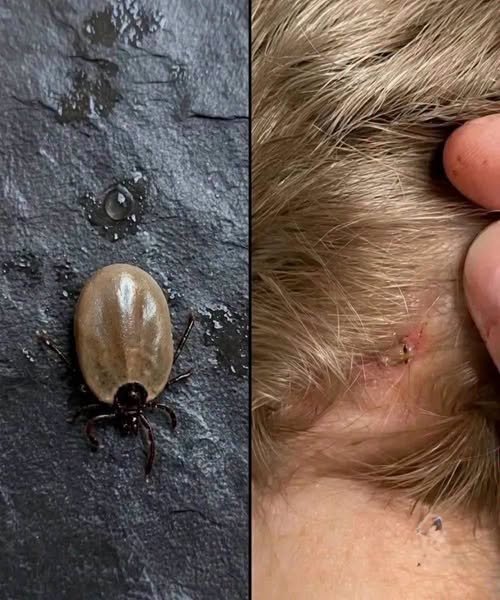
Panic is natural, but precision is what protects your child. Instead of yanking or burning the tick, you reach for fine-tipped tweezers and pull it out slowly, steadily, as close to the skin as possible. You wash the bite, save the tick in a sealed bag or container, and write down the date and location on your child’s body. You’re not being dramatic; you’re building a record that could later save doctors from guessing in the dark.
Then comes the hardest part: watching and waiting without dismissing. Over the next days and weeks, you listen carefully when your child says their legs hurt, when they seem unusually tired, when a strange rash blooms or a low fever lingers. You don’t accept vague reassurances. You ask about Lyme, co-infections, and appropriate testing. You push for answers early, when treatment is most effective. In a world that often shrugs off tick bites, you choose to be the parent who doesn’t.