
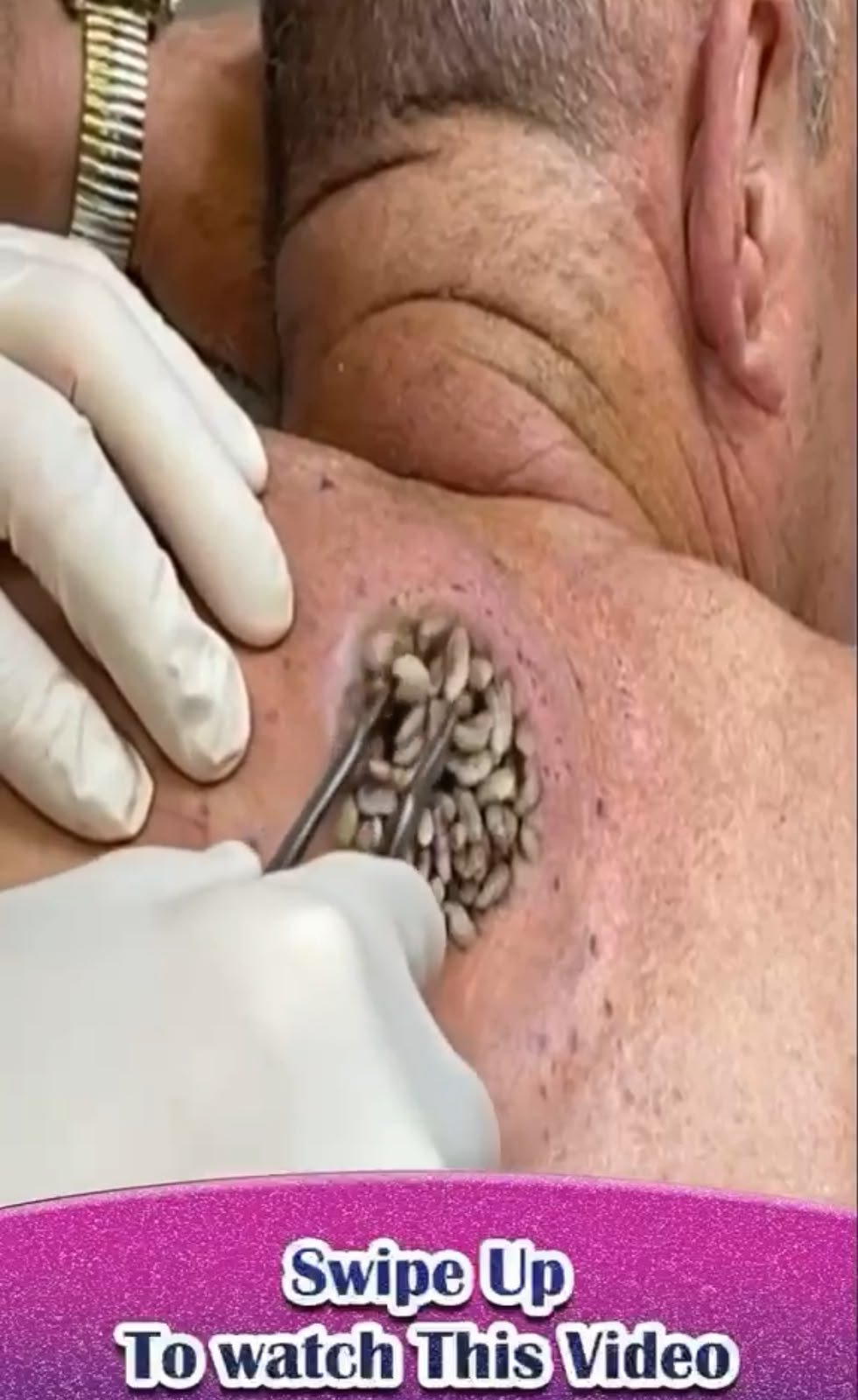
How to Safely Handle a Cluster of Engorged Ticks on the Back

Cluster of Engorged Ticks on the Back – Safe Removal, Risks & Prevention
Description: Discover why ticks cluster on human skin, the health risks of engorged ticks, proper removal methods, and how to prevent tick-borne infections effectively.
Understanding Engorged Tick Clusters on Human Skin
Finding a cluster of engorged ticks attached to human skin—particularly on hard-to-reach areas like the back—is a alarming sight. While multi-tick infestations on a single human host are relatively uncommon, they typically occur when someone spends extended time in high-risk outdoor environments such as dense woodlands, tall grass, agricultural fields, or animal grazing zones.
Ticks are obligate blood-feeding parasites. Once attached, an adult female tick can feed continuously for 7 to 10 days, expanding significantly in size as she becomes fully engorged. Immediate and proper removal is critical, as the risk of pathogen transmission increases the longer a tick remains attached.
What Are Ticks?
Ticks are small parasitic arachnids closely related to spiders, scorpions, and mites. Unlike insects, adult ticks have eight legs and lack antennae. They survive exclusively by feeding on the blood of mammals, birds, reptiles, and humans.
To mature and reproduce, ticks must successfully navigate four life stages:
-
Egg: Female ticks lay thousands of eggs in leaf litter during spring and summer.
-
Larva (Seed Ticks): Microscopic, six-legged hatchlings that feed primarily on small mammals or birds. Hundreds can attach at once if a person walks through a newly hatched nest.
-
Nymph: Eight-legged immature ticks about the size of a poppy seed. Nymphs are responsible for the vast majority of human disease transmissions because their tiny size makes them difficult to detect.
-
Adult: Fully grown ticks that target larger mammals (such as deer, livestock, dogs, or humans) for a final, heavy blood meal required for egg production.
Why Ticks Target Hard-to-Reach Areas
Ticks do not jump or fly. Instead, they use a strategy called “questing”—crawling up grass blades or shrubs, holding out their front legs, and grabbing onto a host as it passes by.
Once on a host, ticks instinctually crawl upward toward warm, dark, and protected areas where skin is thinner and harder for the host to inspect or scratch. Common attachment sites include:
-
The upper and lower back
-
Behind the knees and under arms
-
Along the hairline and scalp
-
In and around the ears and groin