
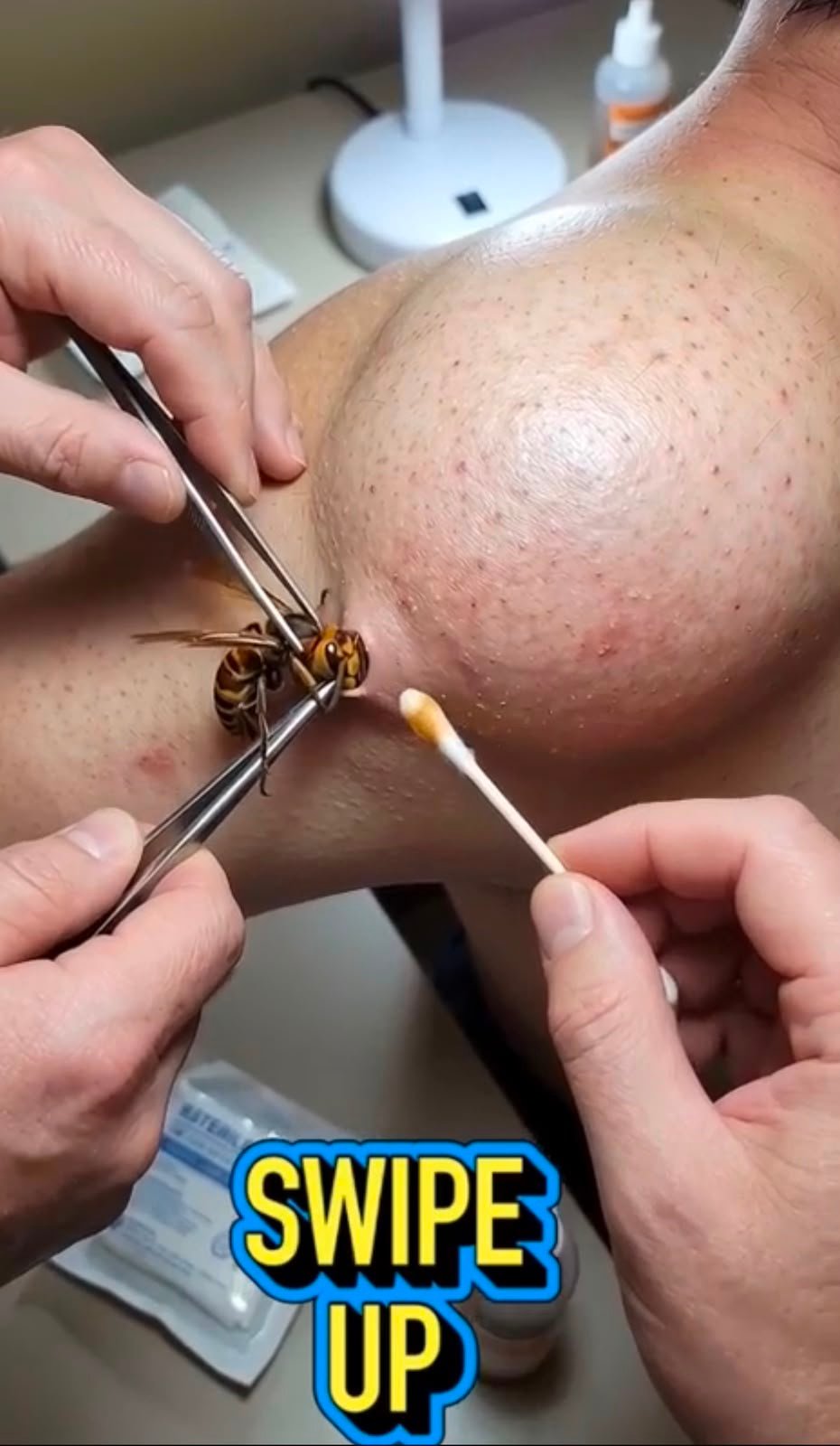
When a Bee or Wasp Sting Leaves a Dramatic Skin Reaction: What You Should
A routine outdoor activity can quickly turn distressing when an insect sting triggers a sharp, localized reaction. Understanding how your body responds to venom—and knowing how to handle the sting properly—helps you manage discomfort effectively and recognize when professional medical attention is needed.
Common Symptoms After a Sting When a bee, wasp, or hornet stings, it injects venom directly into the skin, instantly activating an inflammatory response. Typical symptoms include:
-
Redness and warmth: Elevated blood flow causes the surrounding tissue to flush and feel hot.
-
Localized swelling: Fluid collects as immune cells respond, often expanding over the first 24 to 48 hours.
-
Pain and itching: Sharp initial pain usually subsides into mild throbbing and persistent itching as healing begins.
-
Tenderness: The skin surrounding the sting site remains sensitive to light touch or pressure.
Why Swelling Can Look Extreme Swelling is a natural immune defense. Venom causes nearby blood vessels to expand and become more permeable, allowing white blood cells to reach the affected tissue. As a result, even a minor sting can produce a surprisingly large area of swollen skin. A severe local reaction does not automatically mean a life-threatening allergy, but swelling that spreads rapidly or appears far from the sting site requires immediate medical evaluation.
Bee vs. Wasp Stings: Critical Differences Handling a sting correctly depends on whether a stinger remains in the skin:
-
Bee Stings: Honeybees have barbed stingers that tear away and remain embedded in the skin, often continuing to pump venom for several seconds. If a stinger is visible, scrape it away immediately using a fingernail or flat edge like a credit card. Avoid squeezing or pinching the venom sac with tweezers, which can push remaining venom deeper into the tissue.
-
Wasp & Hornet Stings: Wasps possess smooth stingers, allowing them to sting multiple times without leaving anything behind in the skin.
Because identifying an insect species solely from a visual reaction or photograph is unreliable, focus on immediate first aid: wash the area thoroughly with soap and water, apply a cold compress to control swelling, and monitor for any signs of a systemic allergic reaction.