
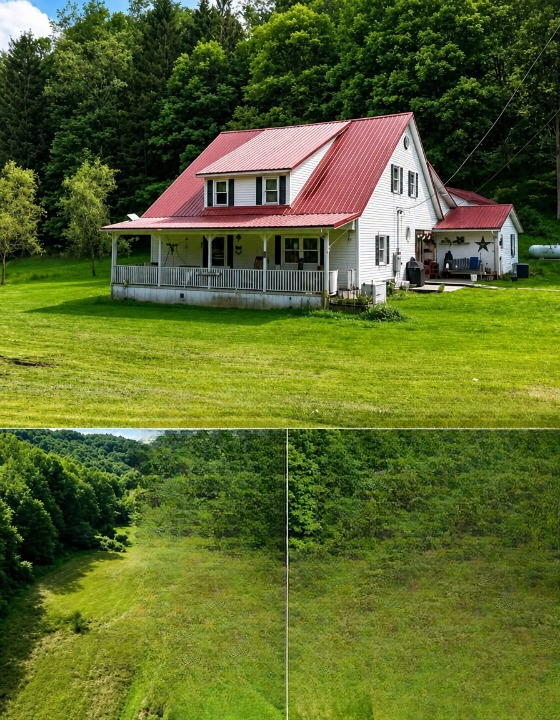
75 Acres of Open Land: Privacy, Nature, and Possibilities for the Future

Large parcels of undeveloped land are becoming harder to find in many growing communities.
As development expands, open fields and wooded areas can gradually become neighborhoods, businesses, roads and other projects. For people who appreciate space and privacy, owning a large piece of land can therefore feel like a rare opportunity.
A property covering approximately 75 acres offers a very different experience from the typical residential lot.
Instead of having a small yard surrounded by nearby homes, an owner may have room for open fields, trees, trails and natural areas. Depending on the property’s location and local regulations, there may also be opportunities to build a home, create outdoor spaces or explore other permitted uses.
The possibilities are considerable, but the real appeal may simply be having room to breathe.
A Greater Sense of Privacy
Privacy is one of the first things many people imagine when they think about owning substantial acreage.
On a traditional residential lot, neighboring houses may be only a short distance away. Traffic, conversations, lawn equipment and other everyday sounds can become part of the surroundings.
A large property can create considerably more separation.
Trees, changes in elevation, fields and the natural layout of the land may help provide visual and physical distance from surrounding properties.
A future homesite could potentially be positioned farther from roads or neighboring residences, depending on access, terrain and local requirements.
For someone who enjoys quiet mornings, peaceful evenings and spending time outdoors without feeling surrounded by other houses, that additional space can be extremely appealing.
Plenty of Room for a Personal Vision
Seventy-five acres provides an owner with far more flexibility than a conventional backyard.
The entire property doesn’t have to be developed.
In fact, one of the advantages of owning a large parcel is being able to decide how much of it should remain natural.
Someone might choose to build a home on a relatively small section while preserving the surrounding woods and fields.
Another owner might be interested in gardens, walking paths, recreational areas or other projects permitted by local regulations.
The property can potentially evolve over time rather than requiring everything to be completed immediately.
That makes large acreage attractive to people who enjoy long-term projects and want their land to grow with their lifestyle.
Experience the Changing Seasons
Large properties can also create a stronger connection with nature.
Instead of driving somewhere to enjoy seasonal scenery, owners can experience those changes directly outside their doors.
Spring can bring new growth, blooming plants and increased wildlife activity.
Summer provides longer days for gardening, walking, outdoor meals and recreation.
Autumn can transform wooded areas and fields with changing colors.
Winter can bring an entirely different atmosphere, with quieter surroundings and views that may become more open after leaves have fallen.
For people who appreciate nature, those seasonal changes can become one of the most rewarding aspects of owning acreage.
Potential for Gardens and Small-Scale Agriculture
Seventy-five acres can also appeal to people who dream about growing their own food or maintaining a small agricultural operation.
However, the possibilities depend heavily on the property’s actual characteristics and local regulations.
Soil quality, drainage, sunlight, water availability, zoning and access all influence what can realistically be done.
If conditions are suitable and the use is permitted, an owner might consider a vegetable garden, orchard, pasture or other small-scale agricultural project.
Different portions of the property could potentially serve different purposes.
A garden might be located near the home for convenience, while wooded sections could remain untouched and open fields could be used for recreation or another permitted purpose.
The key is to investigate the land before making assumptions about what it can support.
Space for Outdoor Recreation
Large acreage can provide opportunities for activities that simply aren’t practical on a small residential property.
Depending on the terrain, owners may be able to create walking trails, outdoor gathering areas, gardens or other recreational spaces.
Families could spend afternoons exploring the property, watching wildlife, gardening or enjoying outdoor meals.
Children can have opportunities to experience nature close to home, while adults may appreciate having a peaceful place to walk or relax.
Over the years, these everyday activities can become part of a family’s history.
A trail through the woods or a favorite spot beneath a tree may eventually become just as meaningful as any formal feature of the property.
You Don’t Have to Develop Everything
Owning 75 acres doesn’t mean every acre needs to be changed.
For many people, the untouched portions may actually be the most valuable part.
Keeping wooded areas, fields or other natural features intact can preserve the character of the property while providing space for wildlife.
Birds, insects and other animals can benefit from natural habitats, while owners can continue enjoying the scenery.
Some people may prefer a balance: a comfortable home and useful improvements in one area, with large portions of the property remaining natural.
That approach can provide both convenience and a sense of wilderness.
Build and Improve Over Time
Another advantage of a large property is that improvements don’t necessarily have to happen all at once.
An owner could potentially begin with a homesite and basic infrastructure before gradually working on other projects.
Over time, permitted improvements might include fencing, landscaping, storage structures, gardens, trails or outdoor gathering spaces.
Taking a gradual approach can make a large property easier to manage financially and practically.
It also allows owners to learn how the land behaves through different seasons before making major decisions.
The Landscape Can Shape the Experience
The value of acreage isn’t determined only by its size.
The shape, terrain and natural features of the property matter too.
A parcel with mature trees can offer shade and privacy.
Open fields can provide expansive views.
A gently sloping area might create an attractive homesite.
Natural features such as streams, ponds or distinctive rock formations can add character, although they may also create environmental or construction considerations.
Understanding the land itself is therefore just as important as knowing the acreage.
Important Questions Before Buying
A large parcel can sound exciting on paper, but careful research is essential before making long-term plans.
Zoning should be one of the first things investigated.
Local rules may determine whether the property can be used for residential construction, agriculture, additional structures, commercial activities or other purposes.
Property boundaries should also be clearly established. A professional survey may be worthwhile, particularly when purchasing a large tract.
Access is another major consideration.
Buyers should determine how the property connects to public roads and whether the access is legally established and practical throughout the year.
Utilities Need Attention Too
A rural or undeveloped property may not have the same infrastructure as a developed residential neighborhood.
Public water and sewer service may not be available.
A private well and septic system might therefore need to be considered, depending on local conditions and regulations.
Electricity and other utilities should also be investigated before assuming that construction will be straightforward.
The cost of bringing infrastructure to a homesite can sometimes be significant, especially when the desired building location is far from existing services.
Don’t Forget Environmental Conditions
Natural beauty can come with additional considerations.
Before purchasing land, buyers may want to investigate flood risks, wetlands, drainage, soil conditions, steep slopes and other environmental factors.
These issues can affect where buildings can be placed and what improvements are practical.
Property taxes, insurance, maintenance expenses and potential development costs should also be included in the overall budget.
The asking price is only one part of the cost of owning a large property.
The Value of Having Options
One of the most attractive things about 75 acres is the number of possibilities it can provide.
The property could become a private homesite.
It could include gardens and recreational areas.
It could support permitted agricultural activities.
It could simply remain largely natural.
Or it could become a combination of several of these ideas.
The important point is that the owner isn’t limited to one small piece of land surrounding a house.
There is room to adapt.
A Different Kind of Lifestyle
Large acreage can change the way people interact with their surroundings.
Instead of viewing nature from a window or visiting a park on weekends, homeowners may have opportunities to walk through their own woods, watch wildlife, grow plants or simply sit outside in a quiet environment.
That lifestyle isn’t for everyone.
Large properties require maintenance, planning and responsibility.
But for someone who values privacy and open space, those responsibilities may be worth it.
Final Thoughts
A 75-acre property represents much more than a large number on a listing.
It can offer room for privacy, outdoor activities, gardens, natural areas and long-term plans.
The most appealing feature may be the freedom to decide what the property eventually becomes.
Some owners may build a home and preserve most of the land.
Others may create gardens, trails or recreational areas.
Still others may simply enjoy having a peaceful piece of nature around them.
Of course, acreage alone doesn’t guarantee that every idea will be possible. Zoning, access, utilities, soil conditions, environmental restrictions and other local requirements should always be investigated before making plans.
But with careful research and thoughtful planning, a large parcel can provide something increasingly difficult to find: space to slow down, enjoy nature and create a place that reflects the way you want to live.