
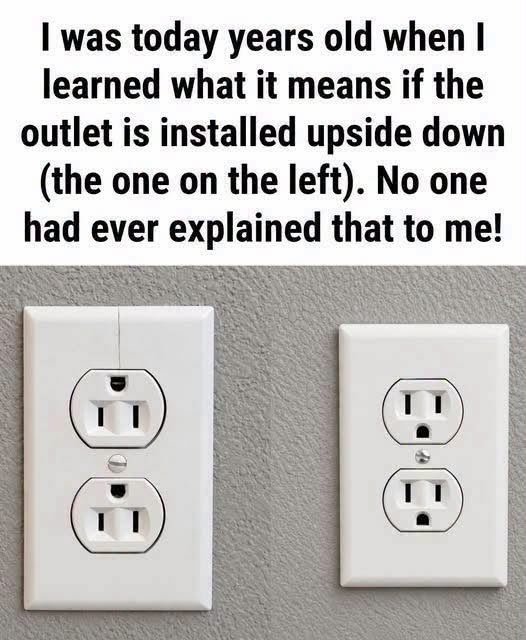
Why Are Some Wall Outlets Installed Upside Down See Reason Here
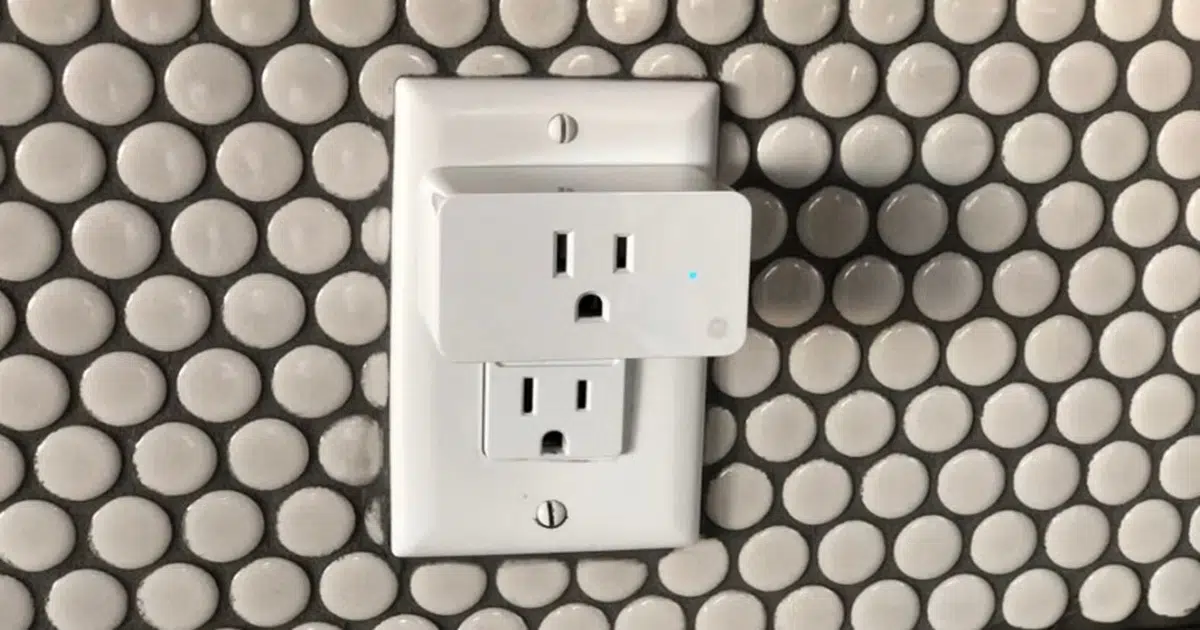 Why Are Some Wall Outlets Installed Upside Down?
The short answer comes down to two trade practices: visual cues for wall switches and commercial safety standards. In residential construction, electricians often install a duplex receptacle upside down to signal that a wall switch controls all or part of that outlet.
Think about older houses built in the 1960s, 70s, or 80s. Builders frequently skipped ceiling light fixtures in bedrooms and living rooms to save money on copper wiring, labor, and drywall finishing. Instead, they installed a “half-hot” switched outlet. When you walk into the dark room, you flip the switch by the door, and the floor lamp plugged into that inverted socket lights the room instantly.
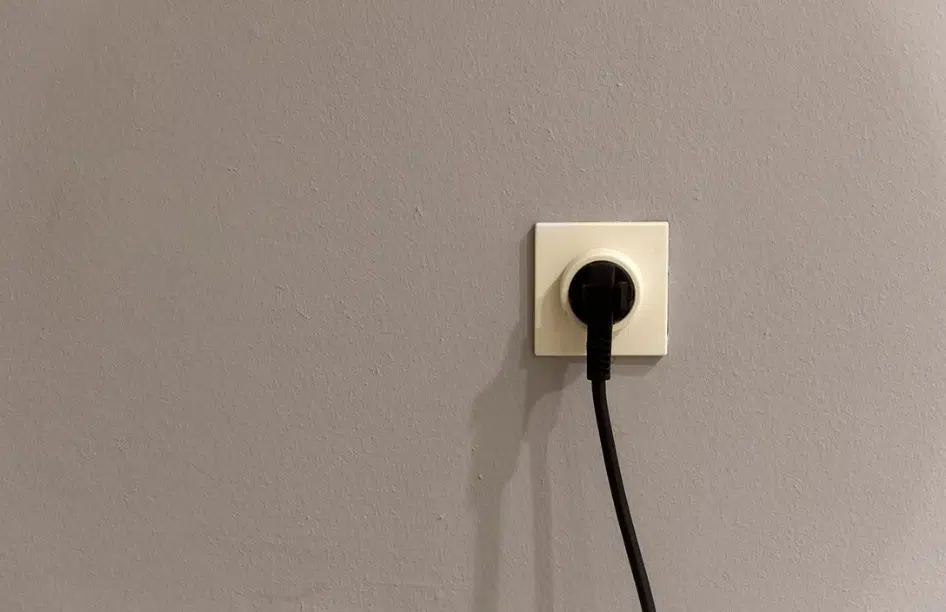
A single wall plug oriented with the cord draping downward.
Flipping the receptacle upside down gave homeowners a clean, unmistakable marker. Without it, you would have to plug a floor lamp into every single outlet in the room just to find the one connected to the wall toggle.
The Anatomy of a “Half-Hot” Switched Receptacle
Have you ever wondered how one plug can stay live while the other plug on the same wall plate turns off with a switch? It all comes down to a tiny piece of metal called the break-off tab.
reaking the brass connecting tab on the brass terminal side creates a half-hot outlet controlled by a wall switch.
On a standard duplex outlet, two small brass metal tabs connect the top and bottom screws on both sides. In a standard setup, power enters one terminal and shares juice with the adjacent plug. When an electrician wires a half-hot outlet, they use pliers to snap off the brass tab on the “hot” (brass screw) side while leaving the neutral tab intact.
- The Switched Half: Wired directly to the switch leg wire (usually a red or tagged black conductor) so power cuts when the wall toggle is off.
- The Constant-Hot Half: Wired directly to the constant circuit feed, keeping power running around the clock.
This split layout gives you the best of both worlds. You can plug your bedside table lamp into the switched half and keep your phone charger or alarm clock running uninterrupted in the constant half.
The Ground-Up Debate: Safety Physics vs. Everyday Habit
While switched lighting is the most common reason for inverted plugs in residential homes, commercial buildings flip their outlets for an entirely different reason: physics and fire safety.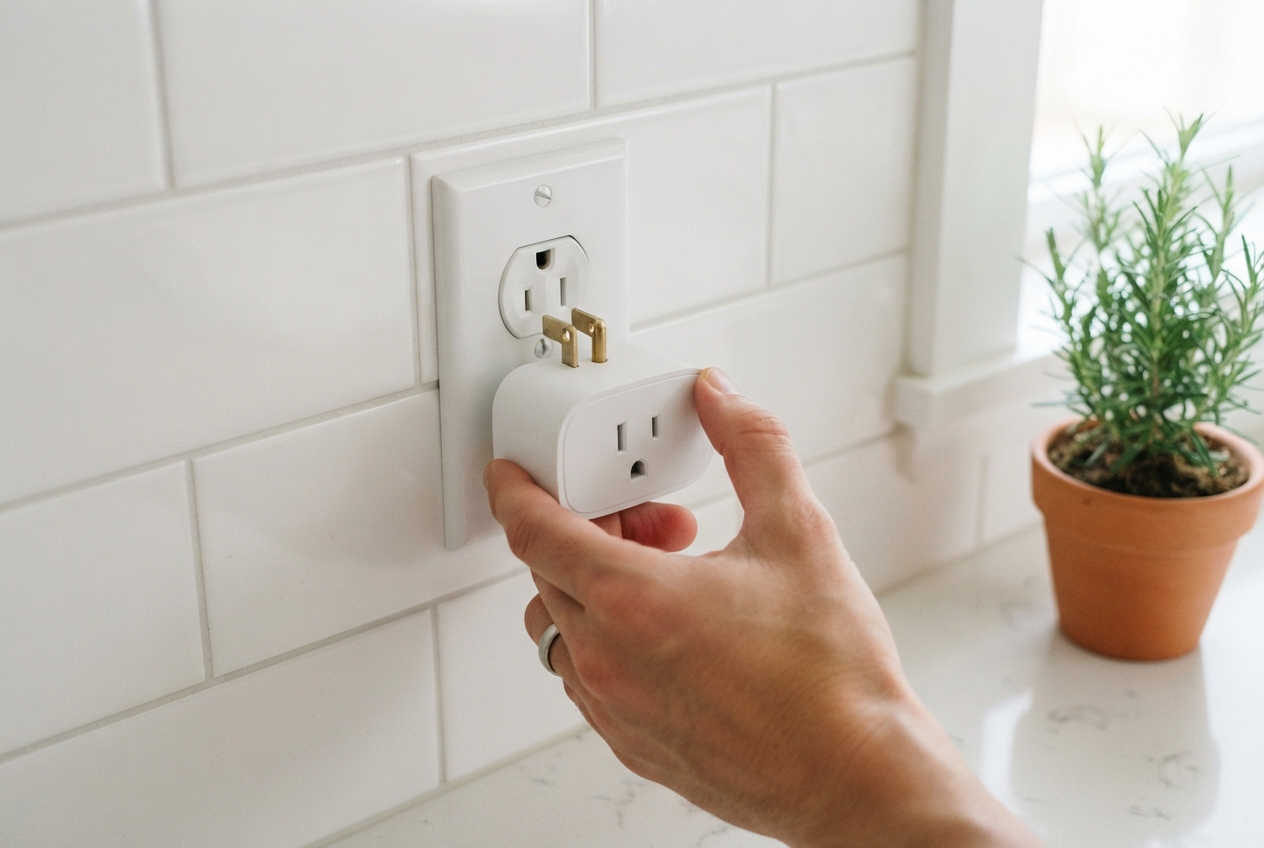
utlets with the ground hole facing up provide extra physical protection against falling metal items touching live prongs.
What Does the National Electrical Code (NEC) Actually Say?
Here is the truth: the National Electrical Code (NEC) does not mandate which way a standard wall outlet must face in your house. Up, down, or sideways—the NEC considers all orientations compliant as long as the box is grounded properly, wired to code, and installed with correct polarity.
Orientation comes down to local municipal building codes, architectural specs, or the personal habit of the electrician who pulled the wire. Some regional trades unions teach apprentices to install ground-up as a mark of safety craftsmanship. Others stick with the traditional ground-down orientation simply because people find the “smiling face” shape familiar and intuitive.
How to Test a Flipped Outlet in 3 Simple Steps
If you suspect an inverted outlet in your living room or guest bedroom is tied to a switch, you do not need special tools or electrical expertise to test it. Grab an ordinary table lamp and follow this quick routine: