
Understanding Filiform Warts: Causes, Symptoms, and Professional Treatment Options
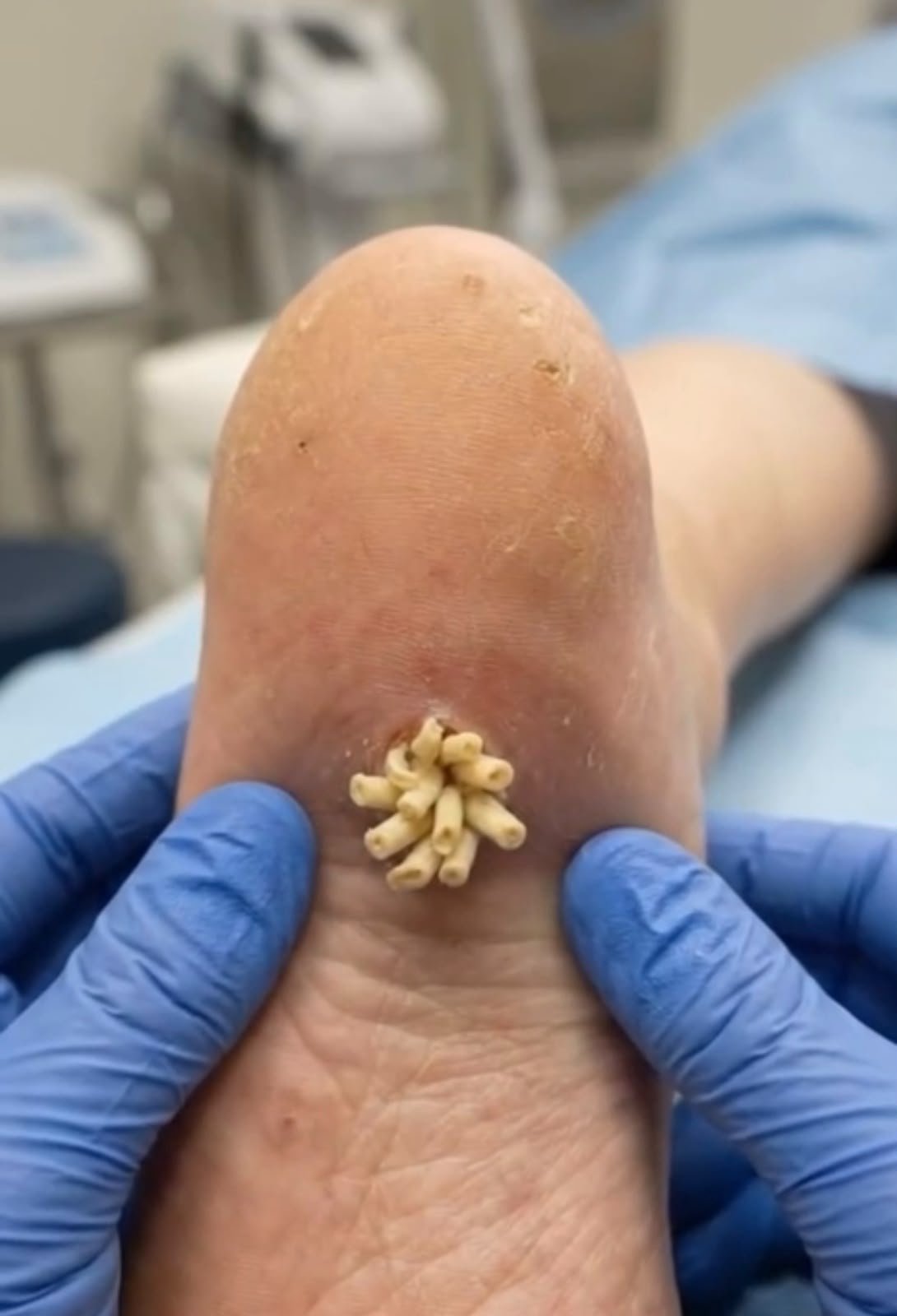
Discovering an unusual skin growth can be concerning, especially when it appears as a cluster of strange, finger-like projections on your body or the soles of your feet. In the medical field, these unique skin lesions are known as Filiform Warts.
If you have seen viral videos or photos featuring small, tubular, thread-like growths on the foot or face, you are looking at a classic presentation of this condition. Here is a comprehensive guide to what filiform warts are, why they develop, and how they are treated.
What Are Filiform Warts?
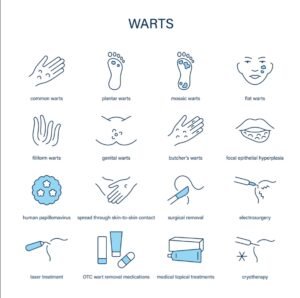
Filiform warts (also known as facial warts or thread-like warts) are benign skin growths caused by an infection of the Human Papillomavirus (HPV).
-
Distinct Appearance: Unlike flat or common warts, filiform warts are characterized by long, thin, finger-like or thread-like projections that stick out from the skin’s surface.
-
Common Locations: They most frequently appear on delicate skin areas such as the eyelids, lips, face, and neck. However, they can also develop on other areas of the body, including the heels or soles of the feet.
Primary Causes and Transmission
Like all viral warts, filiform warts develop when HPV enters the body:
-
Viral Entry: The virus enters the outermost layer of the skin through small cuts, abrasions, or broken skin barrier.
-
Direct Contact: The virus spreads easily through direct skin-to-skin contact with an infected person or by sharing personal items like towels, razors, or socks.
-
Weakened Immune System: Individuals with compromised or developing immune systems are generally more susceptible to contracting HPV infections.
Recognizing the Symptoms
-
Physical Structure: A cluster of spiky, elongated, flesh-colored or yellowish projections extending outward from the skin.
-
Discomfort: While filiform warts are typically painless on the face or neck, those located on the bottom of the foot can cause sharp pain or discomfort due to pressure when walking.
-
Irritation: Because of their raised, finger-like structure, they can easily snag on clothing or bleed if rubbed or picked at.
Medical Treatment and Removal Methods
Caution: You should never attempt to cut, pull, or clip filiform warts at home. Self-removal can cause severe bleeding, permanent scarring, and spread the virus to surrounding skin.
A podiatrist or dermatologist can safely remove them using professional medical procedures:
-
Excision: A minor surgical technique where a doctor carefully cuts away the wart projections using fine surgical instruments like tweezers, scalpels, or scissors.
-
Cryotherapy: Liquid nitrogen is applied to freeze the wart tissue, causing it to die and fall off over time.
-
Electrosurgery and Curettage: The lesion is burned using a light electrical current and scraped away with a small surgical tool.
-
Topical Treatments: Prescription-strength chemical agents (such as salicylic acid or immunomodulatory creams) applied under medical supervision to gradually dissolve the wart.
Final Thoughts
While filiform warts can look alarming due to their unusual texture, they are completely treatable. If you notice a strange growth anywhere on your body, schedule a consultation with a certified dermatologist or podiatrist to receive an accurate diagnosis and a safe, effective treatment plan.