
A Cluster of Ticks Inside the Ear: Why Immediate Removal Matters
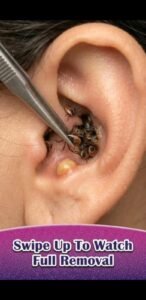
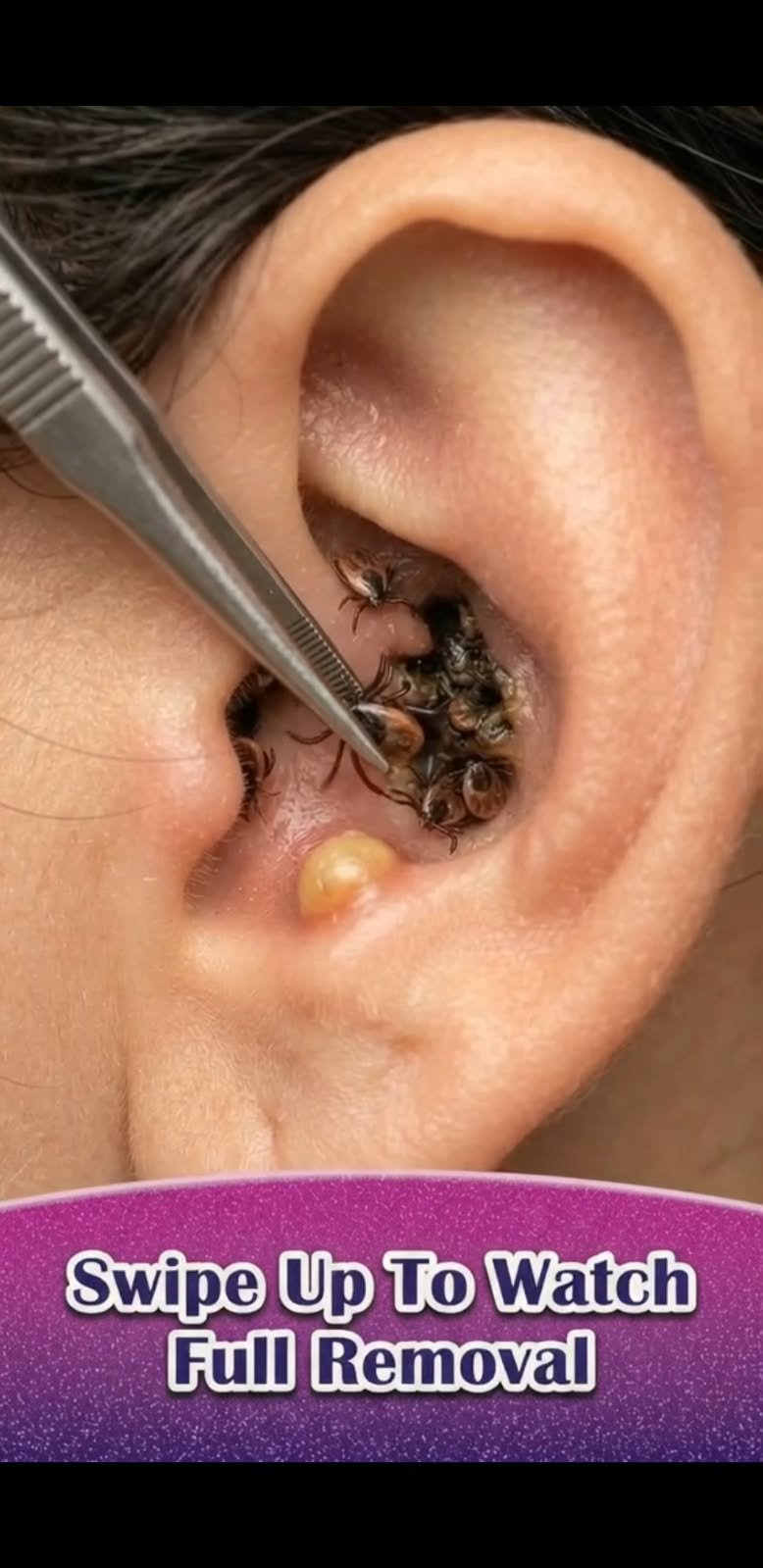
When ticks are attached to skin, prompt and careful removal is important because some tick species can transmit infectious organisms. The exact species and whether these insects are actually ticks cannot be confirmed from the photograph alone.
Ticks can attach to many parts of the body and may be difficult to notice, especially in areas covered by hair or in skin folds. CDC guidance specifically recommends checking in and around the ears after possible outdoor exposure.
A person may encounter ticks after spending time in grassy, brushy, or wooded environments. Pets can also carry ticks indoors, creating another possible route of exposure.
Some ticks can transmit bacteria or other organisms that cause illness. The longer an attached tick remains in place, the greater the potential exposure to certain tick-borne infections.
After a tick bite, symptoms can include fever, headache, fatigue, muscle or joint pain, and sometimes a rash. Symptoms may appear days or weeks after the bite, depending on the infection.
For an attached tick, CDC recommends using fine-tipped tweezers, grasping the tick as close to the skin as possible, and pulling upward with steady pressure. Twisting, jerking, or squeezing the tick can cause its mouthparts to break off. After removal, the bite area and hands should be thoroughly cleaned.
Because the image shows the insects inside the ear, professional removal may be appropriate, particularly when there are many attached specimens or when they are difficult to reach safely.