
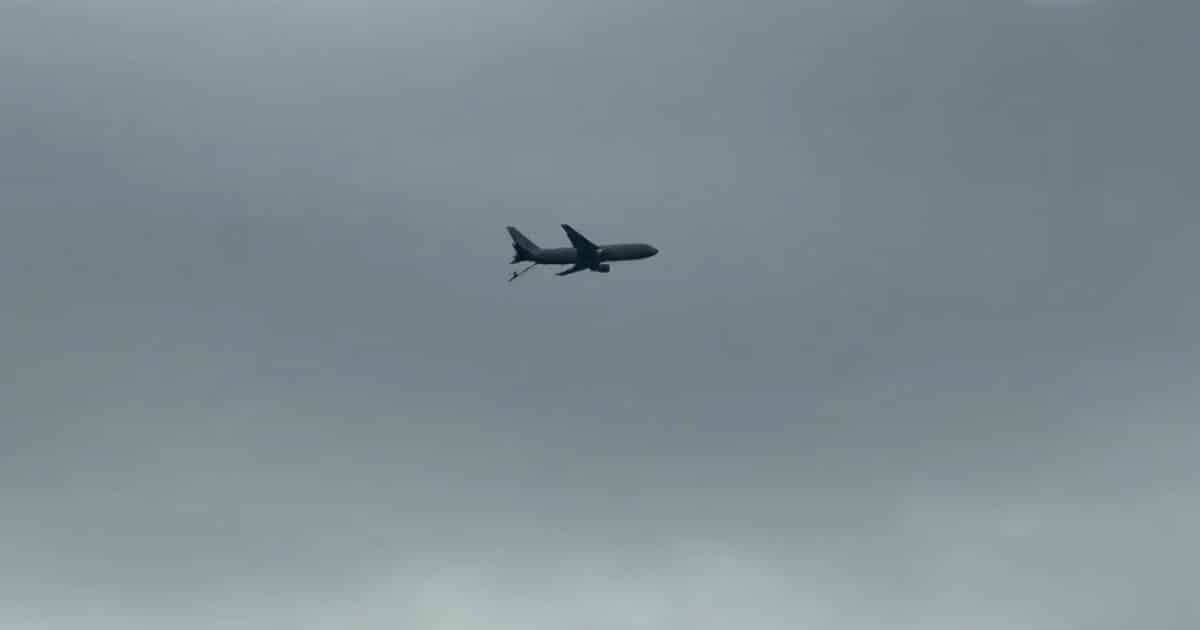
What’s That Long Tube Hanging Beneath a Plane?
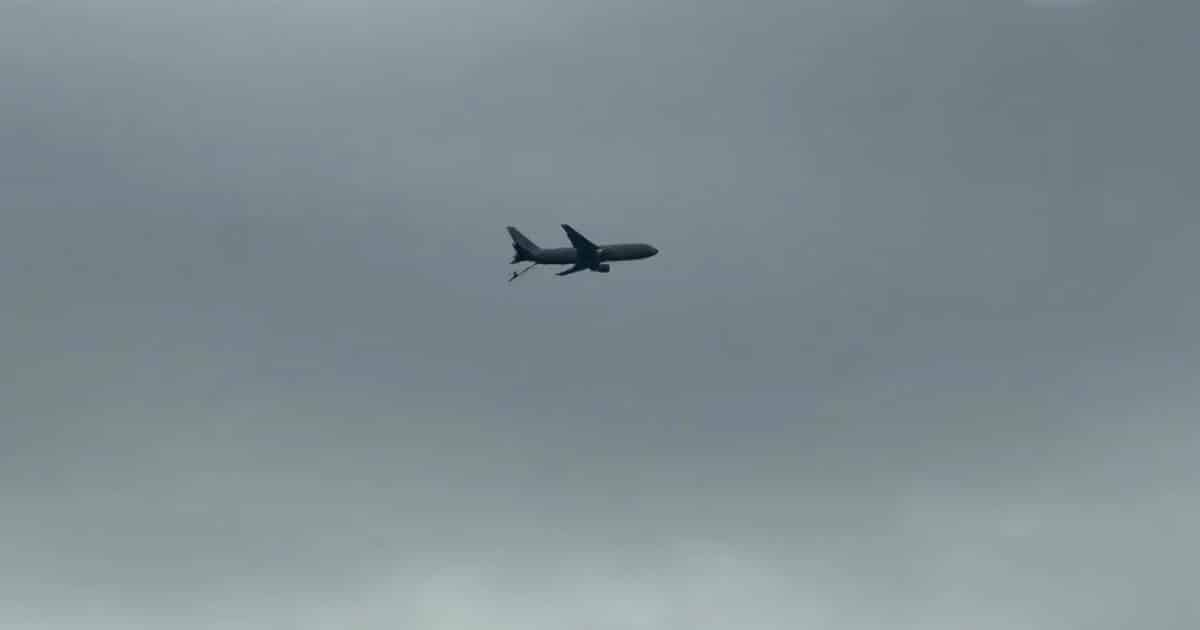
That long tube reaching down from the back of a military plane is an aerial refueling boom, and it is doing one of the most precise jobs in aviation. In photos of aerial refueling, a large tanker can be seen extending a rigid boom toward another aircraft flying just below and behind it. The two aircraft look impossibly close. They are, and that closeness is the whole point. The job is to transfer large amounts of fuel between two aircraft while they remain airborne and fly at carefully coordinated speeds.

People wonder how anyone pulls that off while both aircraft are flying at several hundred miles per hour. The answer starts with the hardware.
What the Aerial Refueling Boom Actually Is
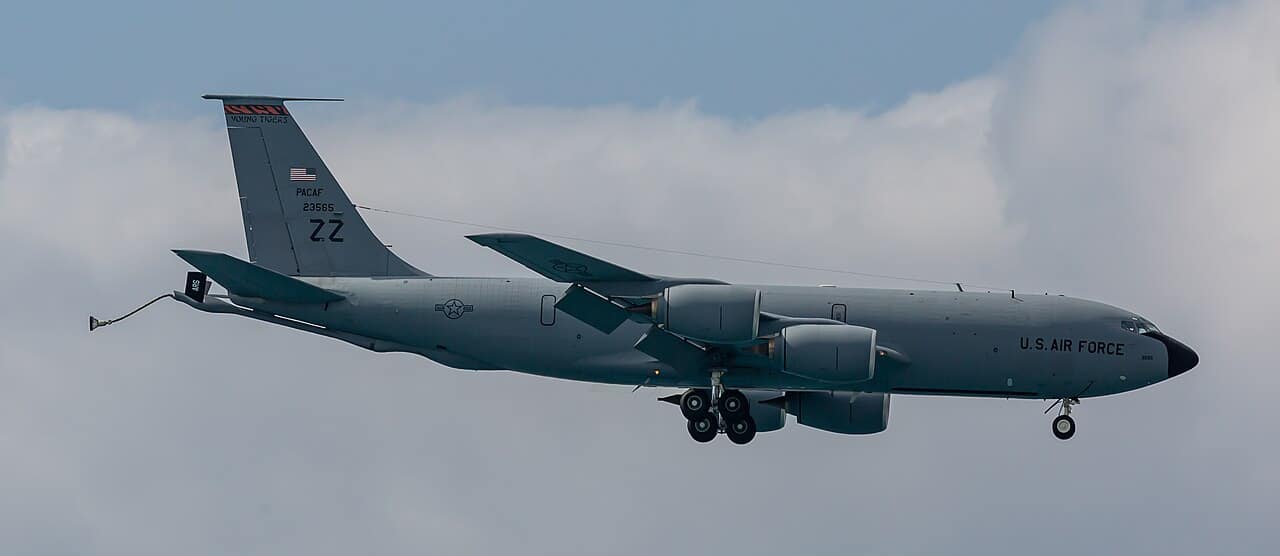
The flying boom is a rigid, telescoping tube mounted at the tail of a tanker aircraft. It extends outward and downward from the back of the plane, then locks into an opening on the aircraft being refueled. The boom operator steers the rigid tube using specialized flight controls, allowing the system to make precise connections and transfer fuel rapidly to compatible aircraft.
You will see it hanging from tankers like the KC-135 and the newer KC-46. The KC-46 is worth noting because it carries both a boom and hose-and-drogue equipment, allowing it to refuel a wide range of compatible military aircraft.
Another common method is probe-and-drogue refueling. The tanker trails a flexible hose ending in a funnel-shaped basket, called a drogue, while the receiving pilot guides the aircraft’s probe into it. Both systems transfer fuel in flight, but only the boom is steered directly by the tanker’s operator.
How Fuel Crosses the Gap at Speed
Here is the sequence. The tanker maintains a steady speed and flight path as the receiving aircraft approaches. The receiving aircraft moves into a carefully controlled position behind and below the tanker, often with only tens of feet separating them. The boom lowers and extends until its nozzle reaches a receptacle on top of the receiver. Once it locks in, fuel flows through the rigid tube. Both planes hold tight formation the entire time, often at several hundred miles an hour.
A concrete example makes the scale clear. On the KC-46’s first aerial refueling flight, the tanker used a boom measuring 56 feet, which an operator flew downward to connect with the receiving aircraft. Transfer rates vary by aircraft and by mission, so there is no single universal number worth quoting. What stays constant is the demand for steadiness. If the receiving aircraft moves too far outside its permitted position, the boom can disconnect to prevent damage or an unsafe situation.
It is a bit like threading a straw into a bottle, except the straw is dozens of feet long and the bottle is flying.
The Person Flying the Boom
The boom operator watches the receiving aircraft and uses specialized controls to guide the boom into its receptacle. On the KC-135, the operator typically lies face down at the rear of the tanker, while the KC-46 uses a forward operator station with camera displays. It is close, deliberate work. Two aircraft are holding formation while a tube searches for a small opening, and the margin for error is thin.

That is why the role takes real training. The operator reads the gap, calls the receiver into position, and makes the final connection with small, controlled inputs. When it works, it looks almost routine. It is not.
Why Militaries Bother With It
All of this precision serves a simple purpose. Refueling in flight lets an aircraft keep going without landing, which extends both its range and the hours it can stay airborne. A fighter can reach a distant destination; a surveillance plane can loiter far longer than its tanks alone would allow.
Without mid-air refueling, many missions would have a shorter range or require additional landings to take on fuel. Boom and drogue refueling systems make longer missions possible without those extra stops. That capability is why the hardware exists, and why the images of it in action feel so striking.
Spotting the difference in a photo is easy once you know the tell. A rigid arm angling down from the tail is the aerial refueling boom. A flexible hose trailing a basket indicates a hose-and-drogue refueling system. It is the same curiosity that makes people ask about the white trails planes leave behind, or the upside-down window shades in exit rows. Look at the next tanker image and the giveaway is right there in the shape of the thing.