
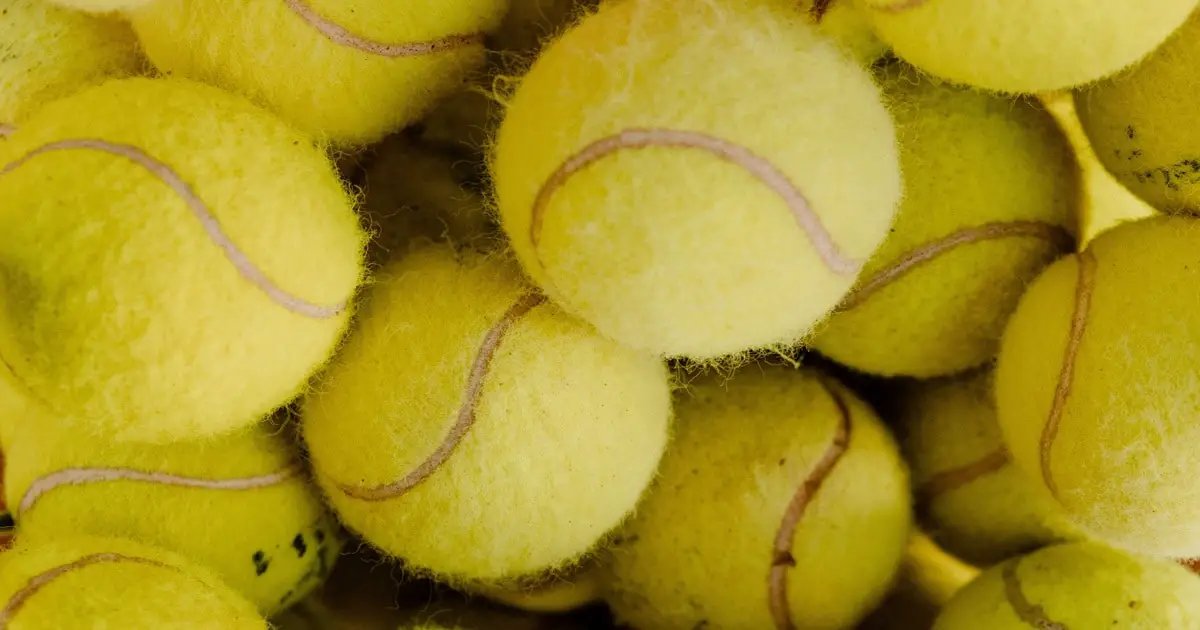
The Surprising Reason Tennis Balls Come in Sealed Cans
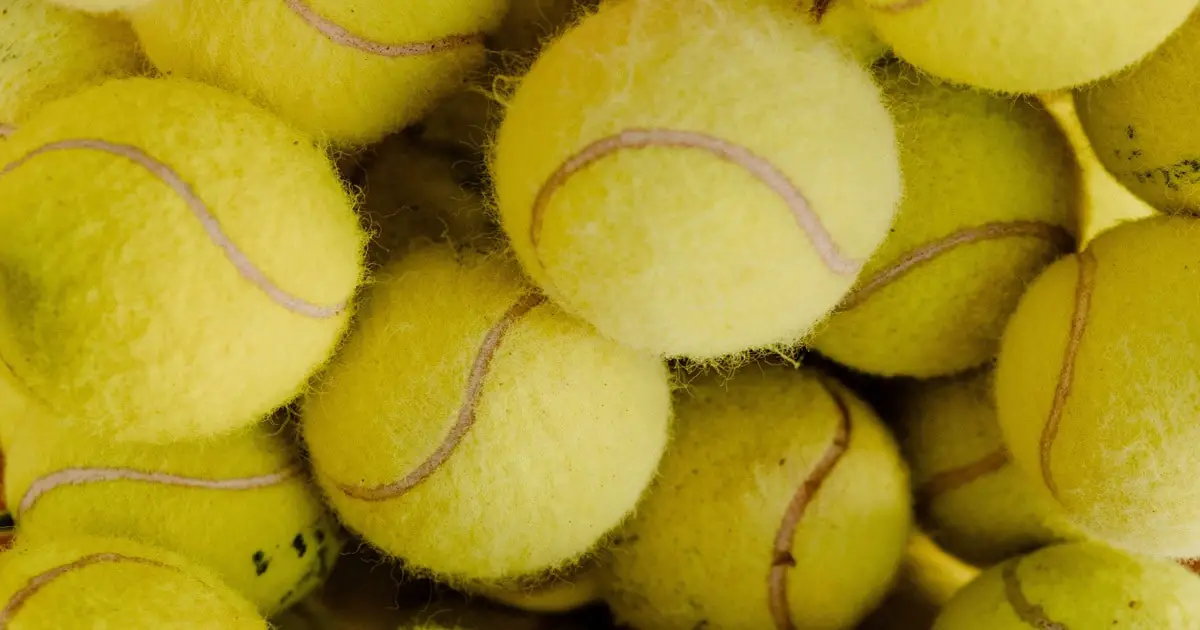
Tennis balls come in sealed cans for a reason you hear before you see the ball: a short, sharp hiss when the lid lets go. You twist the metal tab, there is a quiet pop, and a breath of air escapes the tube. It is easy to twist past it without thinking. But that sound is not packaging theater. It is the single most important moment in the life of the balls inside. Once it happens, there is no getting it back.
Most everyday objects come in a box because a box is cheap and stacks well. Tennis balls get something stranger: a rigid, airtight tube with a seal that breaks only once. There is a real engineering reason for that, and it comes down to what is happening inside the rubber.
Why Tennis Balls Need Sealed Cans
A standard tennis ball is hollow. Manufacturers fill the rubber core with gas under pressure, higher than the surrounding air, and that pressure gives the ball its lively bounce off the court. Press one between your fingers and you feel it push back. That resistance is the pressure doing its job.
The problem is that rubber is not a perfect wall. Gas slowly works its way out through the core and the felt covering, even when the ball is just sitting still. So the can is pressurized to roughly match the ball’s internal pressure. With the same pressure pushing in from outside, the ball has no reason to leak. It sits in suspended animation until you need it.

That is what the hiss tells you. When you crack the seal, the pressurized air in the can rushes out to equalize with ordinary room air. The pop you hear is that pressure difference releasing in a fraction of a second. A can that opens silently already lost its seal somewhere along the way. That is a quiet warning the balls inside may be past their prime.
Why Other Balls Skip the Can
Plenty of sports balls hold their shape and bounce without any special packaging. A person pumps up a basketball or a soccer ball, so it ships flat and inflates on demand. A golf ball is a solid or layered core with nothing to leak. A baseball is wound string and leather, with no internal pressure to protect at all. You can leave any of them on a shelf for a year and they will play the same.
A tennis ball cannot do that, because its performance lives in a pocket of pressurized gas it is slowly losing. There is no valve to top it back up. The felt covering grips the strings and shapes the ball’s flight. It also gives escaping gas more surface to seep through over time. Storing a finished ball in a matching pressurized environment keeps it playable from factory to first serve. That rules out a cardboard box and rules in the familiar tube. That is why the can is the package, not an afterthought.
The Clock Starts When You Open It
Here is the part that surprises people. The moment the seal breaks, the balls begin losing pressure to the open air, and the bounce starts dying from that second forward. It is gradual, measured in days and weeks rather than minutes, but it is one-way. A tube opened for a tournament and left in a bag will play noticeably softer by the following weekend. The whole point of the can was to buy time, and opening it spends that time all at once.

The felt plays its quiet part here too. As the nap wears and fluffs during play, the covering holds less tightly. The ball then sheds pressure faster than a fresh one would. That is why competitive players change balls so often within a single match. Pressureless balls have a thicker solid core that does not rely on trapped gas, and trade sources recommend them for practice and ball machines. They last far longer, though they feel heavier and deader than the pressurized kind, so serious play still runs on the can.
It is the same hidden logic behind that tiny hole on your phone, a small design choice doing a job most people never notice, and it rhymes with why passports only come in four colors: the ordinary object is shaped by a reason you would never guess.
Look at the can again and you will spot the giveaway. There is a one-time metal seal under a reusable plastic cap. The plastic cap keeps dust out, but it slows nothing, because the pressure left the day you opened it. A half-used tube on a shelf is already going quietly flat. That is why a careful player reaches past it for a fresh one and listens for the hiss.