
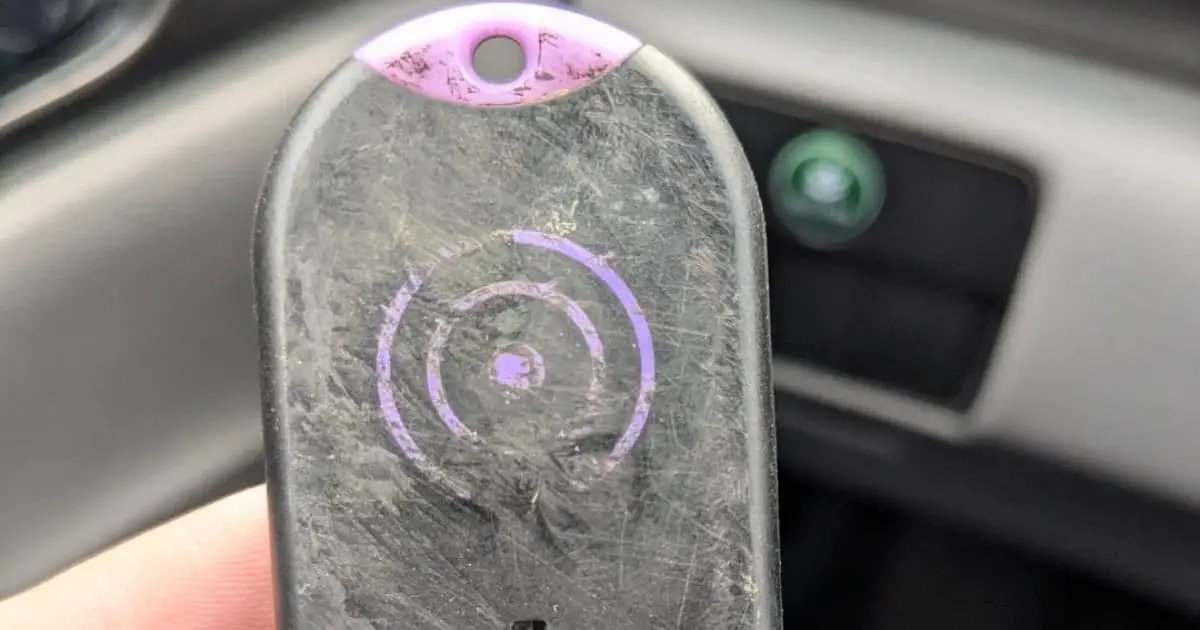
The Mystery of the Little Gadget Found Inside a Car
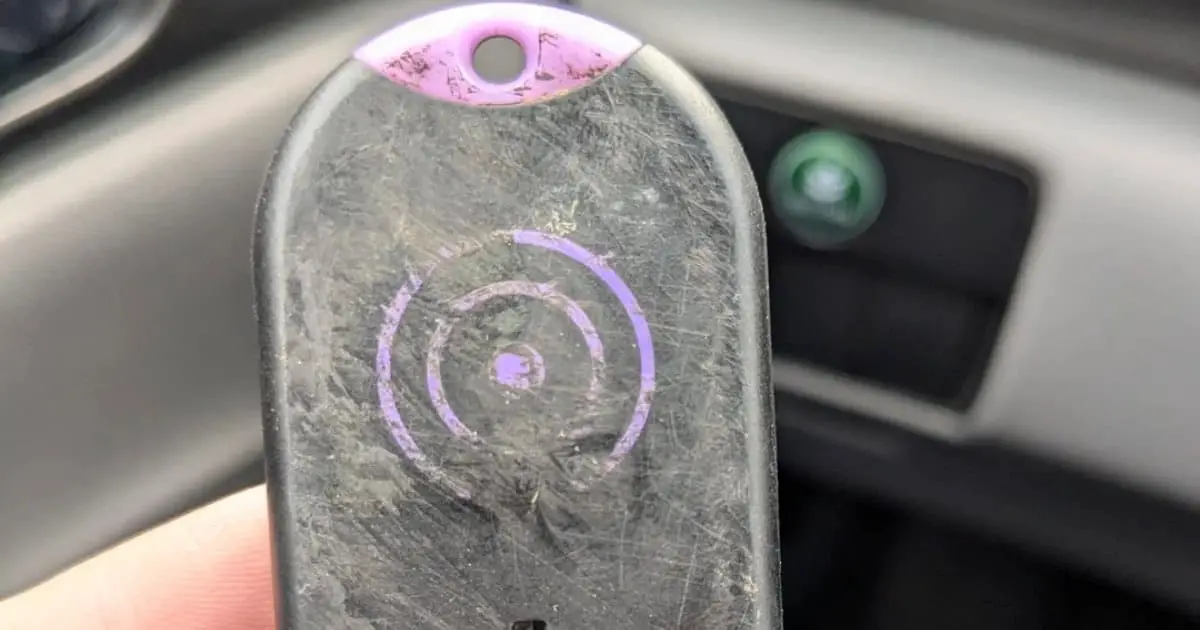
A key finder is one of those small gadgets that can sit in plain sight for years before anyone stops to ask what it actually does. It turns up clipped to a keyring, rattling around a cupholder, or buried in a glove box. No screen, no brand name, no obvious purpose. So people do what people do now. They photograph it and ask the internet. The answers come back scattered and contradictory, which only deepens the puzzle. The truth is far more ordinary than the guesses suggest.
Why a Key Finder Leaves So Many People Stumped
Part of the confusion comes from the gadget’s simple design. Key finders come in different shapes and sizes, but many are small plastic tags designed to fit on a keyring or attach to everyday belongings. There is no display telling you what it is. Depending on the model, the tag may have a small speaker opening, a colored marking, or a button, while some have very few visible features.
That blankness is exactly what sends people online. A device with a screen explains itself. A plain plastic tag does not. So it gets spotted in the places it naturally lives, hooked onto a keyring, tucked beside the gearshift, loose in the center console, and the person who finds it has no idea whether it belongs there or whether it is tracking them. The lack of any label turns a cheap household gadget into a small mystery. Unidentified objects in cars do this often. People puzzle over a black box hanging from a car window for the same reason.

How the Key Finder Actually Works
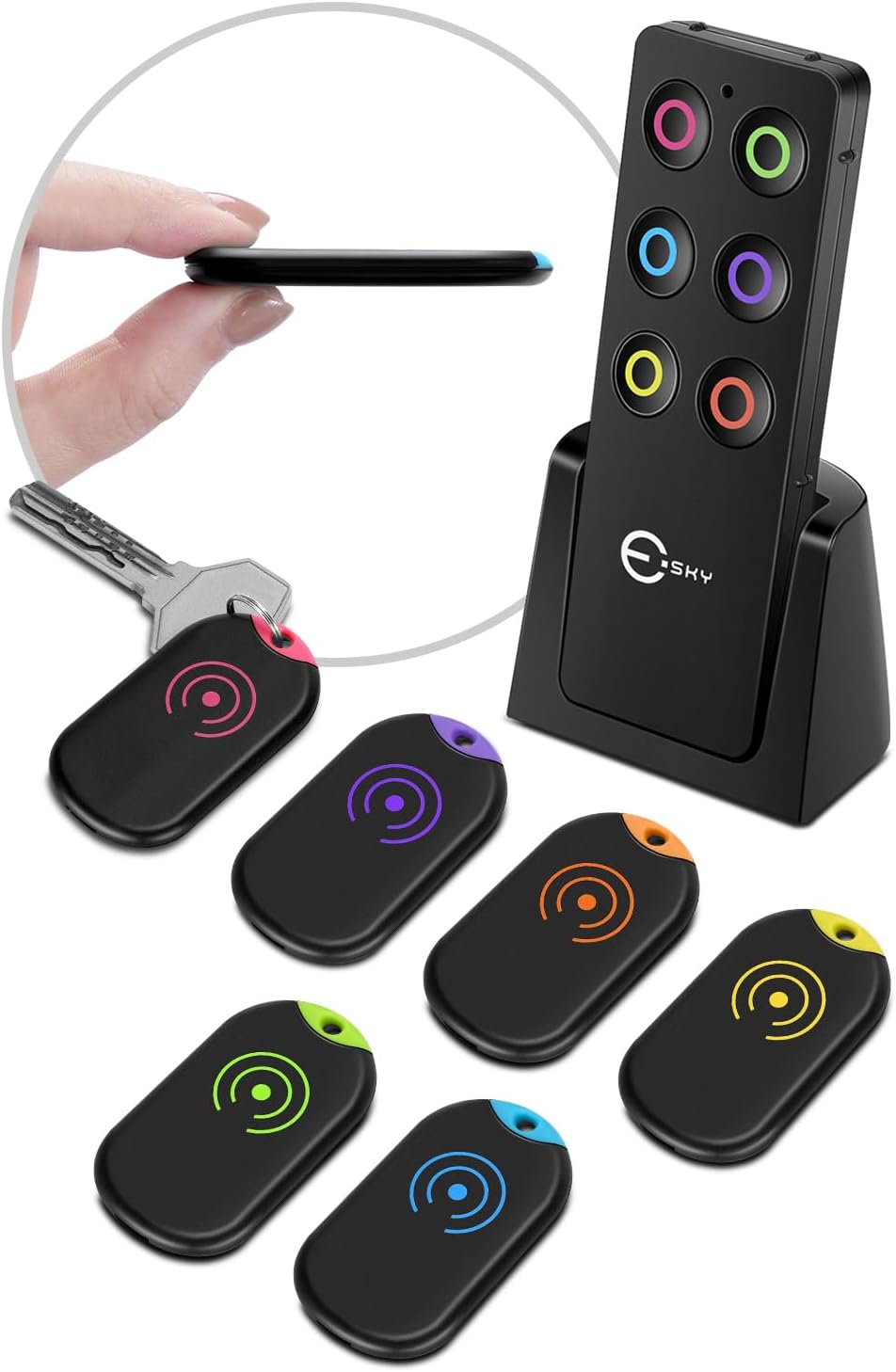
The mechanism is simple, and once you know it the whole thing stops looking strange. A traditional RF key-finder system includes a handheld remote with several buttons and small receiver tags that attach to frequently misplaced items, such as keys, wallets, TV remotes, or bags.
Each button on the remote corresponds to a specific tag. Pressing it makes the matching tag emit a loud beep, helping you find misplaced belongings. Depending on the model, manufacturers advertise sound levels ranging from approximately 75 to 90 decibels. A basic radio-frequency key finder responds to a signal from its paired remote by making a sound rather than displaying its location on a map.
Bluetooth key finders work differently. They connect to smartphone apps, and some use compatible location-finding networks to display an item’s approximate or last-known position on a map. When the tag is nearby, you can often make it beep and follow the sound. Like many unfamiliar objects found inside vehicles, a key-finder tag can seem mysterious until its original purpose becomes clear
Another Surprising Use of the Name KeyFinder
There is another reason the name can be confusing. KeyFinder is also the name of software that analyzes music and identifies the key of a song, such as F minor. While one type of key finder locates lost belongings, the other helps DJs and music producers analyze recordings. Despite sharing a similar name, they serve completely different purposes.
A small plastic tag with a speaker opening may be an ordinary item finder, but its appearance alone cannot establish whether it has location-tracking capabilities. Checking the manufacturer and model is the best way to determine what it actually does. On a basic RF key finder, the beep is the main locating feature, sometimes accompanied by a flashing light. Once that clicks, the little tag found on the car floor seems less like a mystery and more like an ordinary gadget that ended up somewhere it didn’t belong. Unusual objects around cars can spark all kinds of questions. A similar mystery involves a wire tied around a car door handle, which has also inspired plenty of online speculation. Sometimes, understanding what you’re looking at is enough to turn a strange discovery into a simple explanation.