
Painful Infected Nose Pores and Stubborn Blackheads — Why DIY Removal Can Be Dangerous
Skin problems often begin as small, harmless issues. A tiny clogged pore or a blackhead might not seem serious at first. However, when these pores become deeply blocked and infected, they can turn into painful and potentially dangerous skin conditions.
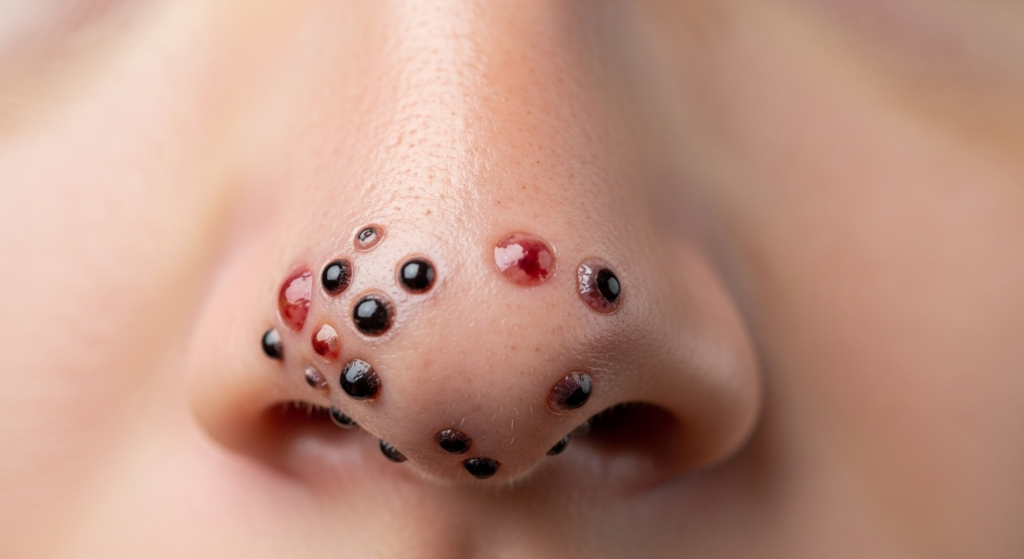
The image above shows a severe case of nasal blackheads and infected pores, where hardened oil, dead skin cells, and bacteria have accumulated deep inside the skin. Over time, this buildup can create inflammation, swelling, and infection.
What Causes Severe Blackheads?

Blackheads form when hair follicles become blocked with oil (sebum), dirt, and dead skin cells. Normally, these can be removed with simple skincare routines. But when the blockage becomes deeper, the pores expand and harden.
Several factors can worsen the condition:
• Excess oil production
• Poor skin hygiene
• Hormonal changes
• Use of heavy cosmetic products
• Bacterial growth inside the pores
When untreated for a long time, these clogged pores can develop into painful inflamed lesions that require professional extraction.
Why Professional Extraction Is Necessary
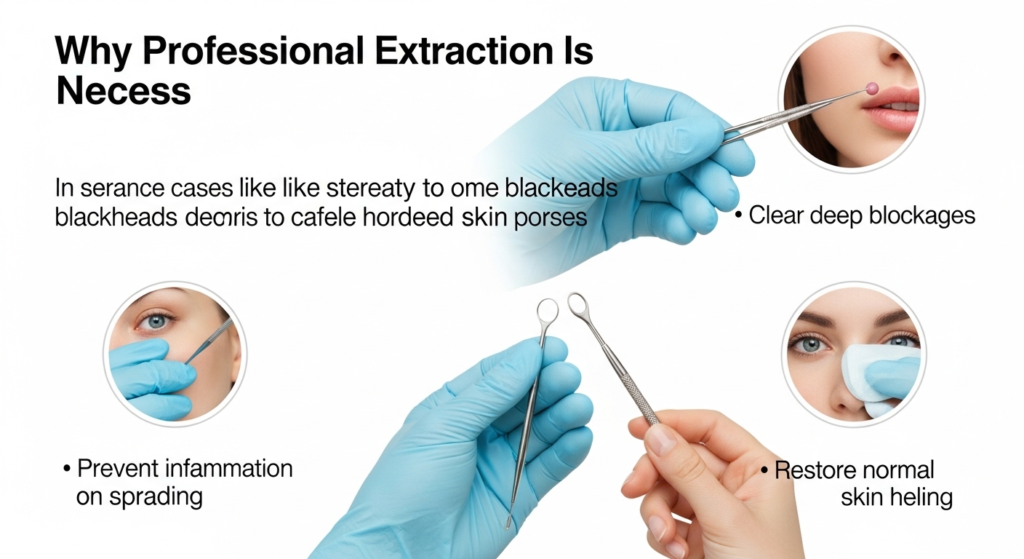
In severe cases like the one shown in the image, dermatologists use sterile tools to carefully remove hardened debris from the pores. This process helps:
• Clear deep blockages
• Reduce inflammation
• Prevent infection from spreading
• Restore normal skin healing
Attempting to remove deep blackheads at home can actually push bacteria further into the skin, making the infection worse.
5 Important Tips to Prevent Severe Nasal Blackheads and Skin Infections
1. Keep Your Skin Clean Daily

Daily facial cleansing is essential to prevent pores from becoming clogged. Washing your face twice a day helps remove excess oil, dirt, and bacteria that can lead to blackheads and infections.
2. Avoid Squeezing Blackheads
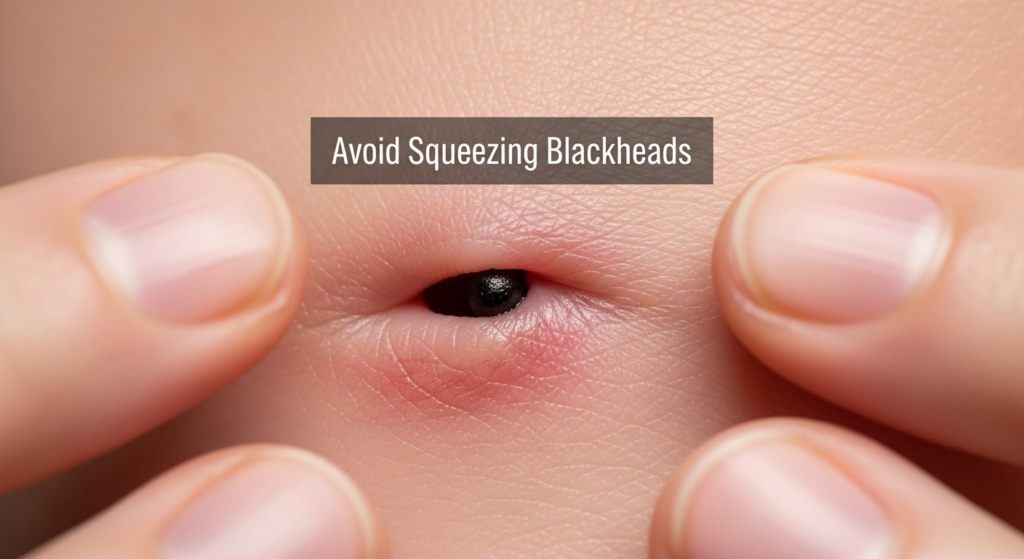
Many people try to squeeze blackheads at home, which can damage the skin and push bacteria deeper into the pores. This often leads to inflammation, infection, and scarring.
3. Use Gentle Exfoliation
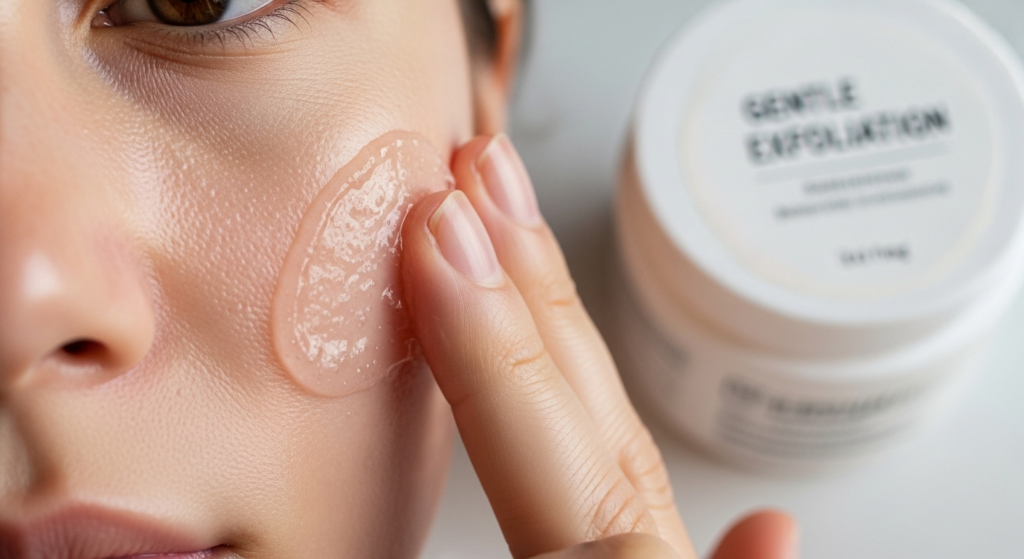
Regular exfoliation helps remove dead skin cells that block pores. Using mild exfoliating products once or twice a week can reduce the buildup that leads to blackheads.
4. Choose Non-Comedogenic Skincare Products
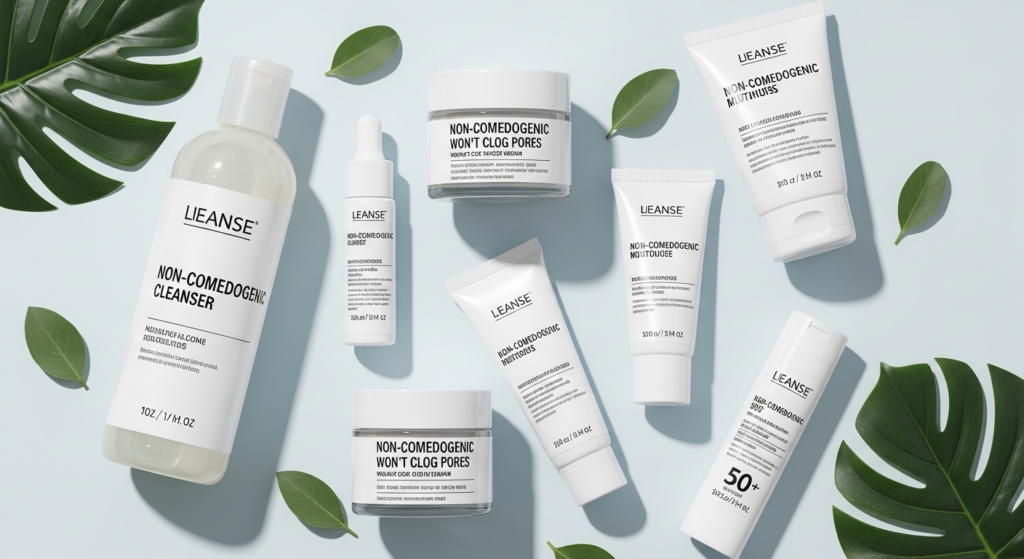
Heavy creams and oily cosmetics can block pores easily. Always choose skincare products labeled “non-comedogenic,” which means they are designed not to clog pores.
5. Seek Professional Treatment for Severe Cases
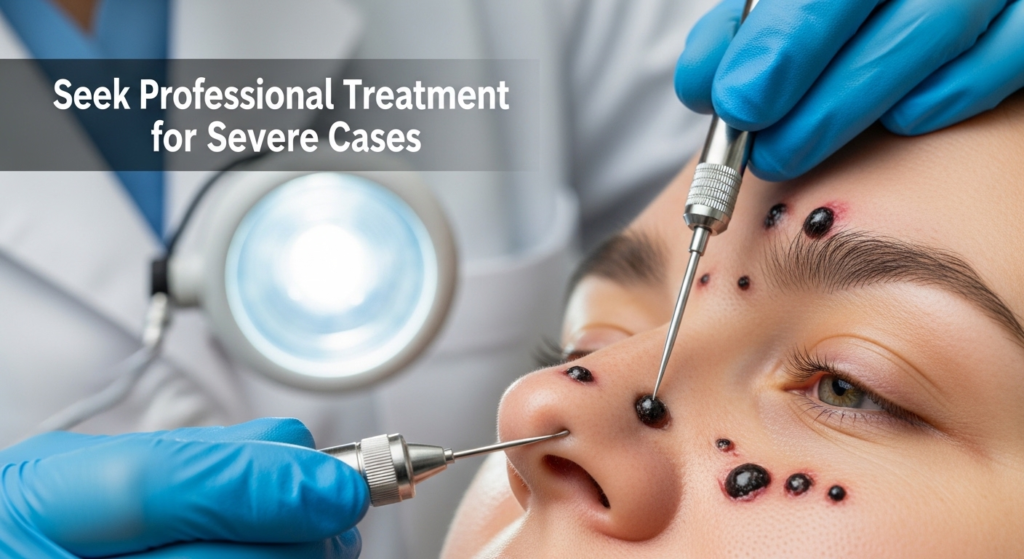
If blackheads become large, painful, or infected, it is best to consult a dermatologist. Professional extraction and treatment can safely remove deep blockages and prevent further skin damage.
Final Thoughts
Although blackheads are common, severe cases like this show how neglected skin issues can escalate into painful infections. Professional dermatological care ensures safe removal, reduces complications, and promotes healthy skin recovery.
If you notice unusual swelling, infection, or persistent blackheads, seeking medical advice early can make a significant difference in preventing long-term skin damage.