
Bird Spreads Its Wings Like the Sky Belongs to It
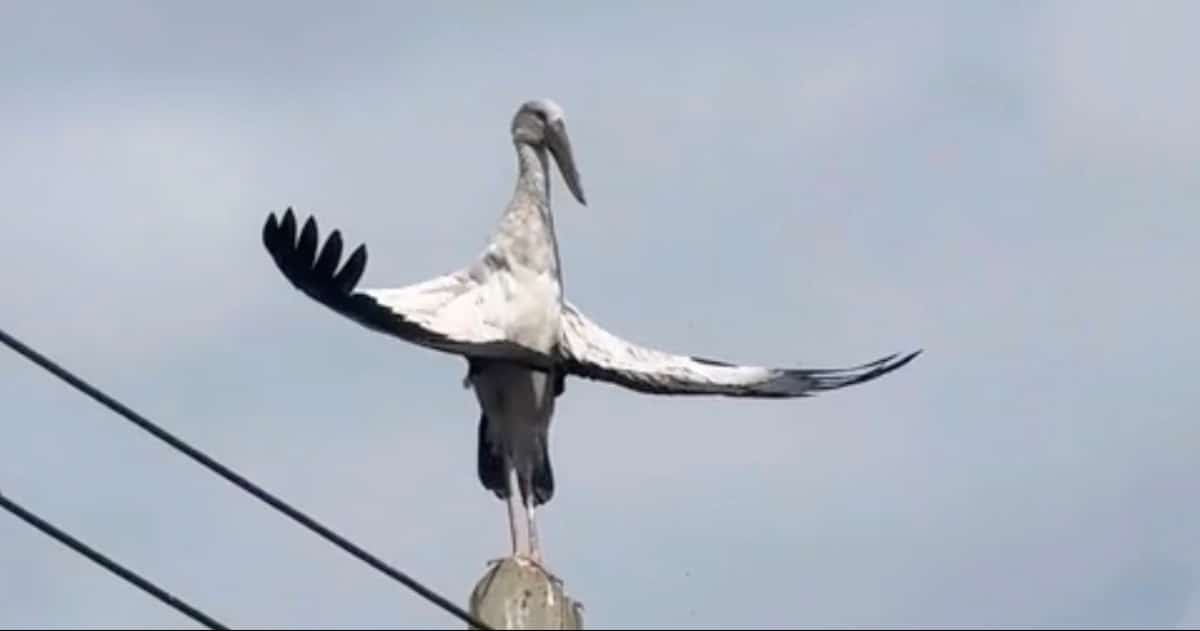
A large bird perches high above the ground and stretches its wings wide, creating a striking silhouette against the sky. Ornithologists call this behavior a spread-wing posture, which several bird species use for different purposes. The bird can look like it thinks the sky belongs to it. Despite its dramatic appearance, the bird may simply be warming itself, drying its feathers, or maintaining balance. The purpose can vary by species, weather, and circumstances. Understanding the possible reasons behind this posture reveals how much ordinary bird behavior can tell us about the natural world.
It is one of those bits of bird behavior people notice and then wonder about, a little like asking why birds peck at your windows and mirrors. There is a reason, and it is a good one.
What the Spread-Wing Posture Actually Looks Like
The pose is unmistakable. The bird stretches its wings wide and sometimes holds them so still that it appears frozen. This usually happens on a perch, a fence post, a dead branch, a piling, or a roadside sign. Some birds turn their backs toward the sun while spreading their wings, although their orientation varies by species and conditions. That detail matters, and it is part of how you read the behavior later.
Several bird groups regularly adopt spread-wing postures, although the behavior varies considerably between species. Turkey Vultures are the classic example, often seen in a loose row at first light. Anhingas and cormorants are the other regulars, usually close to water. To someone passing by, a large dark bird holding its wings wide can look strange or even threatening. Although the posture may look intimidating, birds can spread their wings for reasons ranging from temperature regulation to social displays.
The bird appears to be an Asian Openbill Stork (Anastomus oscitans), a species native to South and Southeast Asia. These large wading birds have pale gray or white bodies, dark wings, and distinctive bills with a gap between their mandibles. They often forage in wetlands and flooded fields, where they hunt freshwater snails. Like several other storks, Asian Openbills may spread their wings for different reasons, including temperature regulation and feather maintenance.
Researchers have documented spread-wing postures among several stork species under different environmental conditions. These positions may help storks regulate body temperature, dry their feathers, or maintain balance. Some storks also spread their wings during social displays, so the behavior does not always serve the same purpose. The Asian Openbill in the viral footage could be responding to sunlight, moisture, or its position on the utility pole.
Soaking Up Heat on a Cold Morning
Turkey Vultures spread their wings to absorb sunlight, regulate body temperature, and help dry their feathers. Their body temperatures can drop overnight, helping them conserve energy before the next day’s activities. Their dark feathers absorb solar energy, helping them warm up without relying entirely on metabolic heat.
By orienting their backs toward the sun, these birds can expose more feather surface to incoming solar radiation. The behavior and its link to thermoregulation are well described in the ornithological literature on these postures, which notes that the same open-wing shape can serve different purposes in different species.
Hanging the Wings Out to Dry
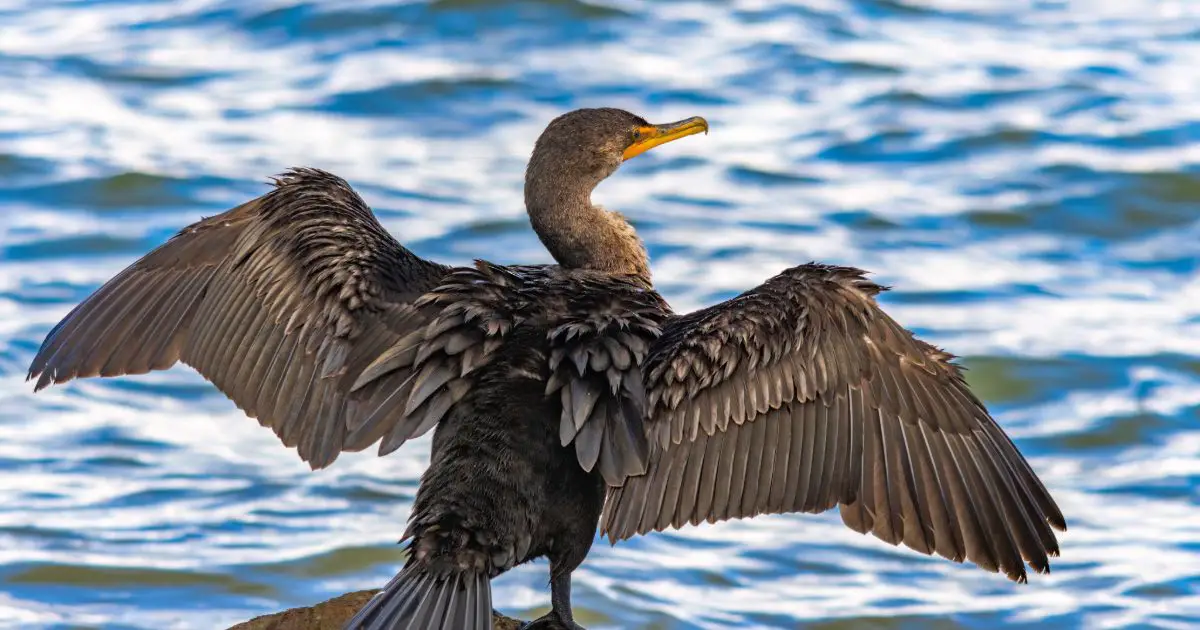
Anhingas and cormorants also spread their wings, but researchers have found important differences in how these birds use the posture. Anhingas and cormorants have feathers that allow more water penetration than those of many other waterbirds. Their relatively wettable feathers help reduce buoyancy, making it easier for them to remain underwater while pursuing fish. The cost comes afterward. Wet plumage can increase the bird’s energy demands and affect insulation, making feather drying an important part of its behavior.
After swimming or diving, Anhingas and cormorants often spread their wings on exposed perches, allowing sunlight and moving air to dry their feathers. They use a dock post, a branch over a pond, or a rock at a lake’s edge. Cormorants primarily use this posture to dry their feathers, while Anhingas can also absorb sunlight to help regulate body temperature.
One Spread-Wing Posture, Several Possible Purposes
Although these birds share a similar posture, the purpose depends on their species, environment, and recent activity. Some gain warmth from sunlight, while others primarily dry their feathers. These functions can also overlap, making the behavior difficult to interpret from a single photograph or video.
Start by identifying the species and observing the weather, sunlight, and recent activity. These clues can suggest whether the bird is warming itself, drying its feathers, or doing both. Similar curiosity might lead you to wonder why birds sometimes fly low and what their movements reveal about their surroundings.
Your next clear look at a wide-winged bird is worth a second of attention. Is it drying its feathers, soaking up warmth, or doing a little of both? The bird’s species, surroundings, and behavior can offer useful clues, even when the exact purpose remains uncertain.