
Why Wedding Cakes Are White
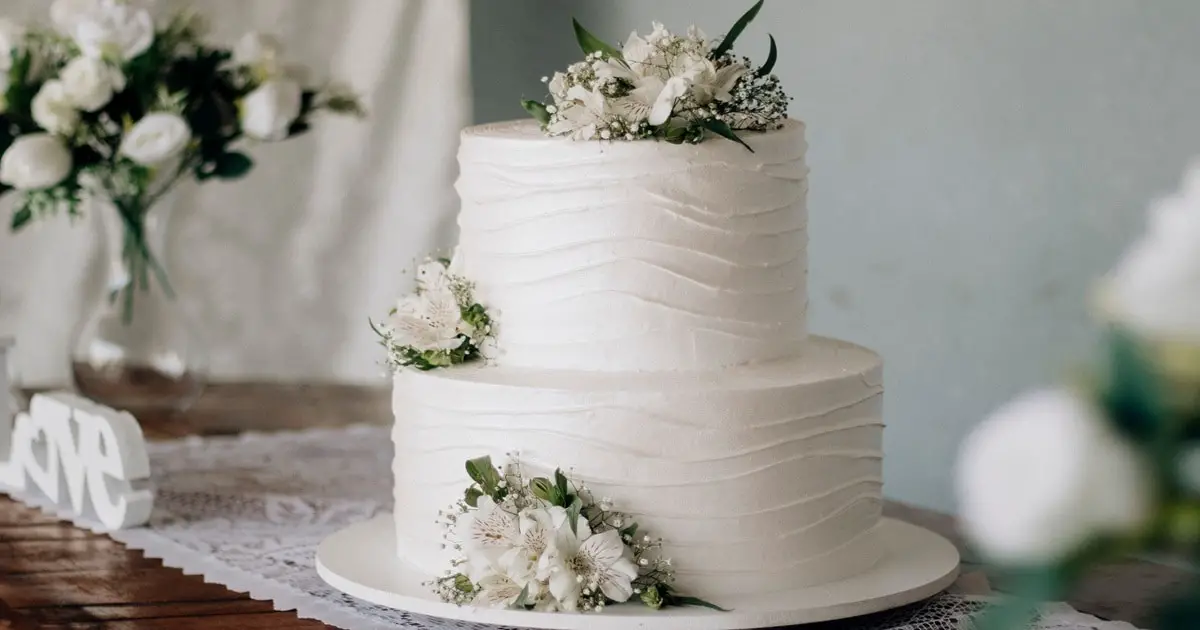
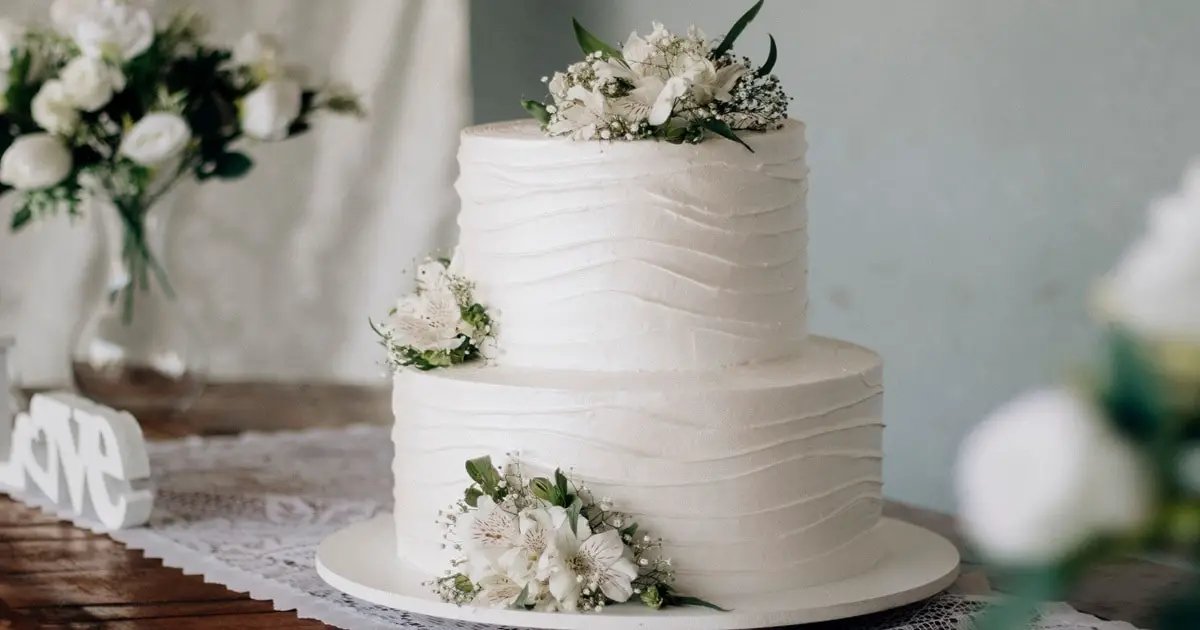
Wedding cakes are so reliably white that any other color reads as a deliberate break from the rule. The reason goes back to a time when the color itself was the expensive part. Most of us look at a tiered white cake and think of purity, or just convention. The older story is stranger and more about money. Before white meant anything romantic at a wedding, it mostly meant the family could afford it. That is the history hiding behind a very familiar dessert.
Before White Meant Pure, It Meant Rich
Refined white sugar used to be a luxury good. Getting sugar to that pale, fine state took repeated processing, and that labor cost money. Darker, coarser sugar was cheaper and far more common on an ordinary table. So a cake built around refined white sugar did quiet work at a party. It told every guest, without a word, that the hosts could spend on the costly version.
The logic ran deeper than the cake itself. The whiter the sugar, the more refining it had been through, and the more refining, the more it cost. A bright white icing was close to showing off a bank balance in edible form. That is the common historical account. It matches how people priced and traded sugar for generations. White was the premium shade long before anyone attached a feeling to it
The Queen Who Made White The Default
Then came the royal endorsement. Queen Victoria married in 1840. People widely credit her wedding with pushing white to the front, both for the dress and the cake. When a queen does something at her own wedding, people copy it, and Victorian society copied hard. White icing went from a wealthy flourish to a must-have for any proper wedding.
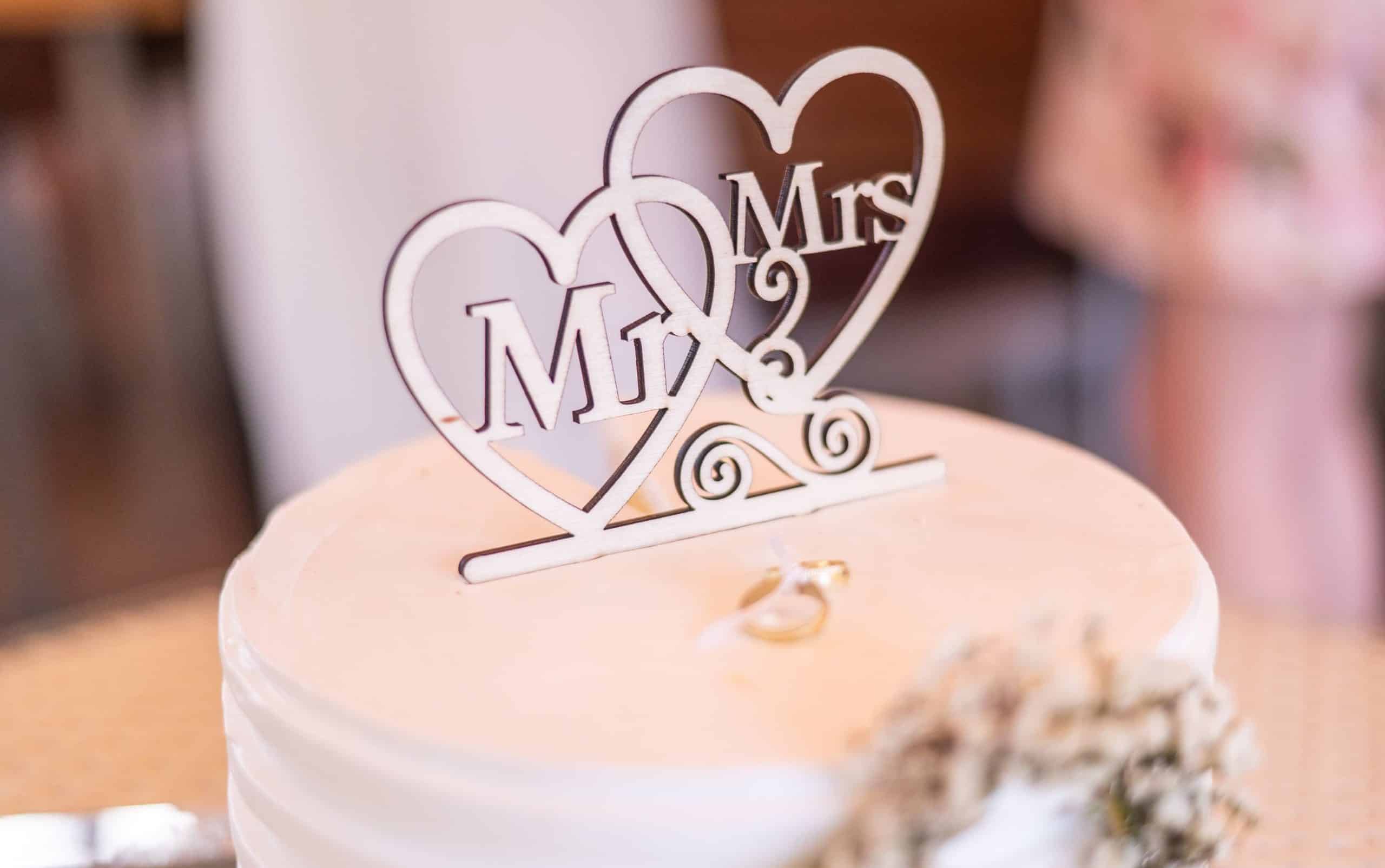
It is worth being honest about the limits here. Repeated lore, more than pinned-down fact, claims one royal cake drove the whole fashion. The association clearly stuck. During the Victorian era, white icing settled into a default rather than a choice. The same copying instinct shaped plenty of wedding customs, including the matching-dress rule that runs on the same logic.
Royal Icing Did Double Duty
There was also a practical reason white kept winning. Royal icing, the hard white kind made from sugar and egg whites, sets into a smooth, durable shell. It dries firm. That shell protected the cake underneath during a long reception. It kept the surface looking pristine for hours.
It also helped hold a cake together, though it helps to be precise about how. Royal icing works like edible mortar, gluing layers so they do not slide sideways. It is not, on its own, carrying the real weight of a tall tiered cake. That job falls to internal supports, dowels and plates hidden inside, which manage the vertical load. So the icing handled the finish and the sideways stability while the hardware did the heavy lifting. Function and symbolism reinforced each other: the stuff that looked richest also happened to be the stuff that set hardest.

Here Is How Purity Got Added Later
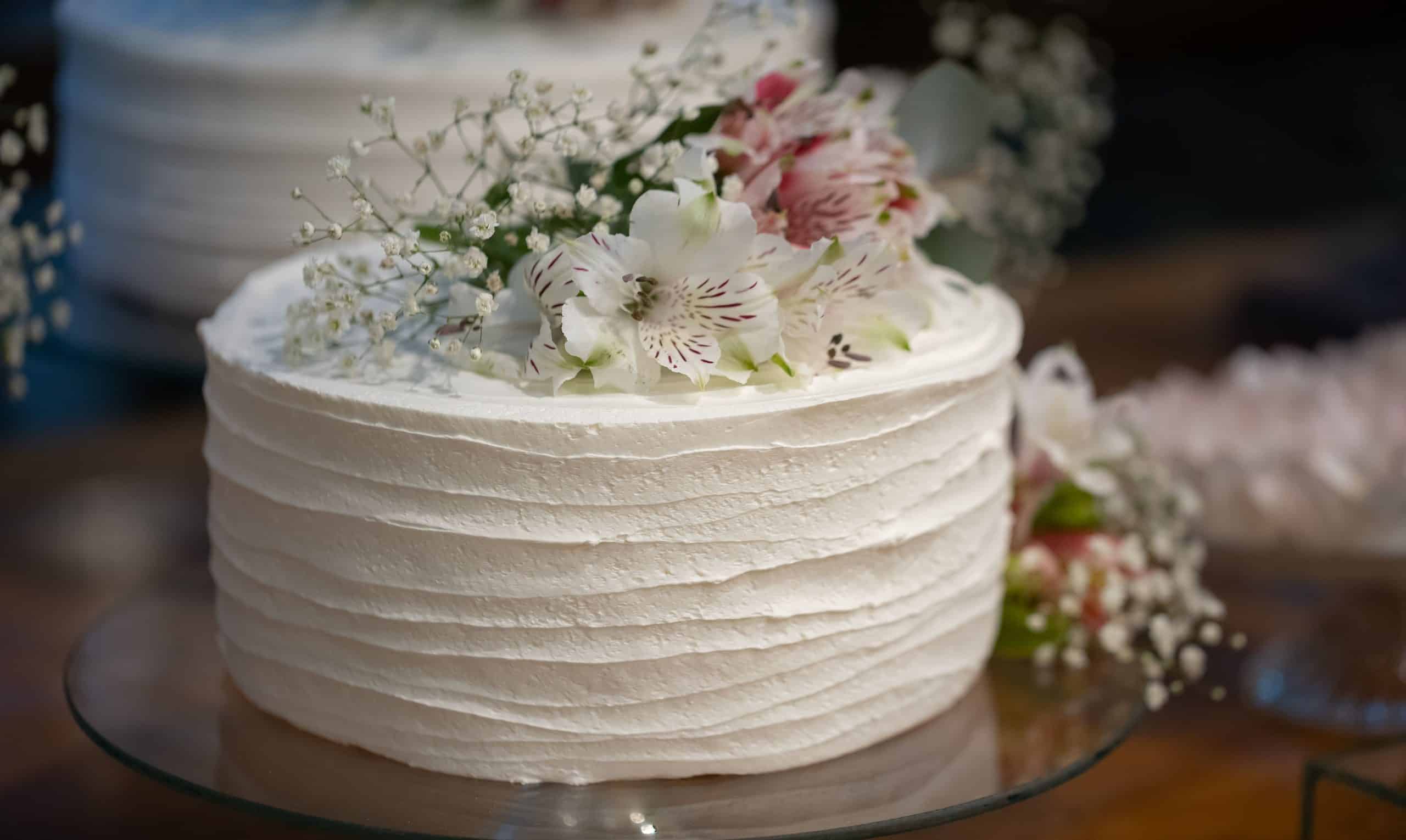
The meaning we reach for first, white equals purity, arrived after the color was already fashionable. Once white dresses and cakes became standard at weddings, people attached the symbolic reading to what was already there. It borrowed from the white-dress association rather than causing the trend. In other words, the romance came second. The status and the practicality came first, and the sentiment moved in once the look was settled, much the way we assign meaning to why we mark the big days with cake at all.
Knowing that changes what I look at on a wedding cake. The color is the easy part now, since bright white sugar costs nothing special anymore. The smooth, flawless icing still does the old job of showing effort. It stands in for a status that used to live in the sugar itself.