
A Gentle, Science-Backed Guide to the SSSS Designation: Navigating Airport Security with Calm
What Does “SSSS” on Your Boarding Pass Mean? (And How to Handle It)
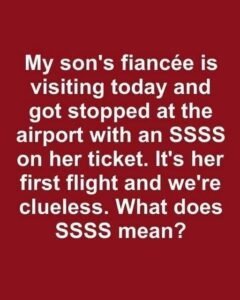
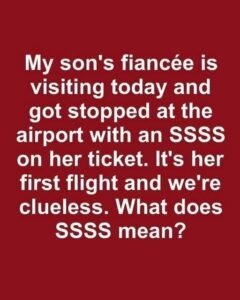
Seeing the letters SSSS printed on your boarding pass can feel alarming, but it does not mean you are suspected of a crime or listed on a no-fly list. SSSS stands for Secondary Security Screening Selection, an additional security measure required by the Transportation Security Administration (TSA).
Remembering that “panic is the absolute enemy of clarity” allows you to navigate the process smoothly without unnecessary stress.
Why Did You Receive an SSSS Designation?
Selection for secondary screening is often automated or completely random. Common triggers include:
-
Random Selection: TSA systems routinely pick passengers at random for enhanced security checks.
-
Travel Patterns: Booking a last-minute flight or purchasing a one-way ticket (especially internationally) can trigger the code.
-
Origin or Destination: Traveling to or from specific high-risk regions around the world.
-
Name Similarities: Having a name that closely resembles an individual on a government security watch list.
What Happens During Secondary Screening?
The screening process typically adds 10 to 15 minutes to your time at the checkpoint, though it can take longer depending on airport traffic.
| Screening Step | What to Expect |
| Enhanced Physical Inspection | A more detailed body pat-down by a TSA officer of your same gender. |
| Baggage Search | A thorough manual inspection of all items in your carry-on (and occasionally checked) luggage. |
| Explosive Trace Testing | Swabbing your hands, shoes, electronics, and bag surfaces to test for trace amounts of explosives. |
| Device Verification | Powering on laptops, phones, or cameras to verify they are functional electronic devices. |
Practical Tips for a Smooth Screening Process
-
Arrive 30 to 45 Minutes Early: Give yourself a buffer so the extra screening time does not cause you to miss your flight.
-
Organize Your Belongings: Keep liquids, gels, and large electronics easily accessible so officers can inspect them quickly.
-
Follow Officer Instructions: Cooperate calmly and directly with TSA personnel to expedite the process.
-
Know Your Rights: If you feel you are being treated unfairly or disrespectfully, you may politely request to speak with a TSA supervisor.
How to Prevent Repeated SSSS Selections
If you consistently find “SSSS” on your boarding passes due to a common name or past travel mix-up, you can resolve the issue through the Department of Homeland Security Traveler Redress Inquiry Program (DHS TRIP).
By applying online, you can obtain a Redress Number. Entering this number whenever you book future flights distinguishes you from other individuals on watchlists and helps eliminate recurring secondary screening triggers.
Ultimately, an SSSS code is an inconvenience rather than a major hurdle. Seeing it on your pass is “merely a brief pause in your journey, not a roadblock.” Staying calm, prepared, and cooperative will ensure your travel stays on track.