
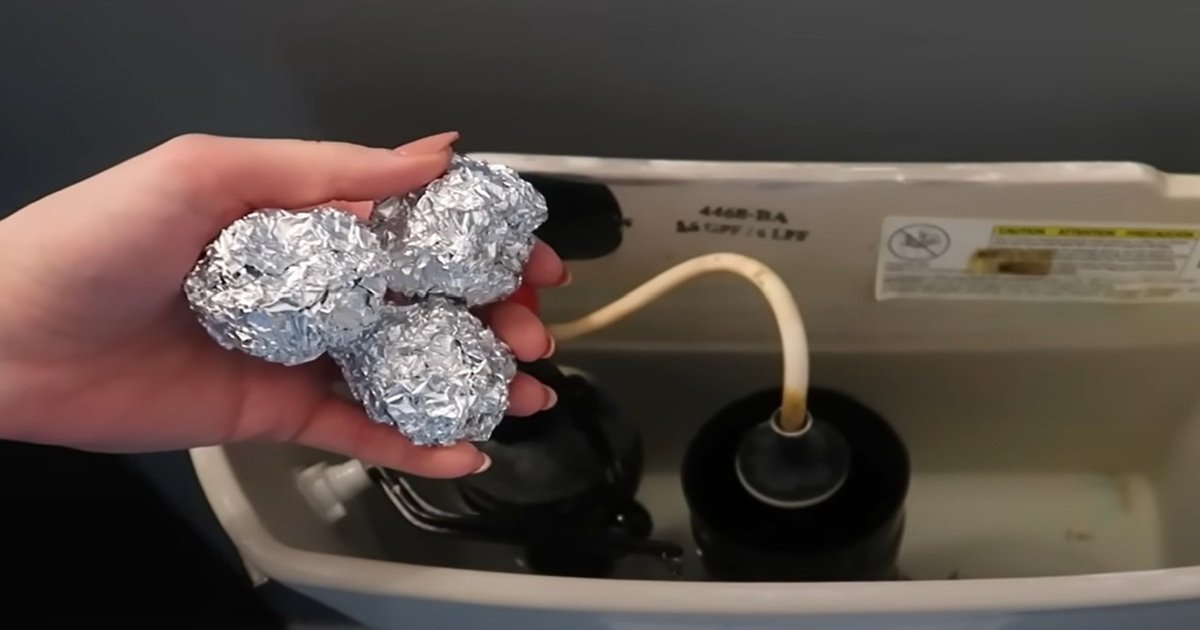
Aluminum Foil in Toilet Tank: What Does it Do? See Here
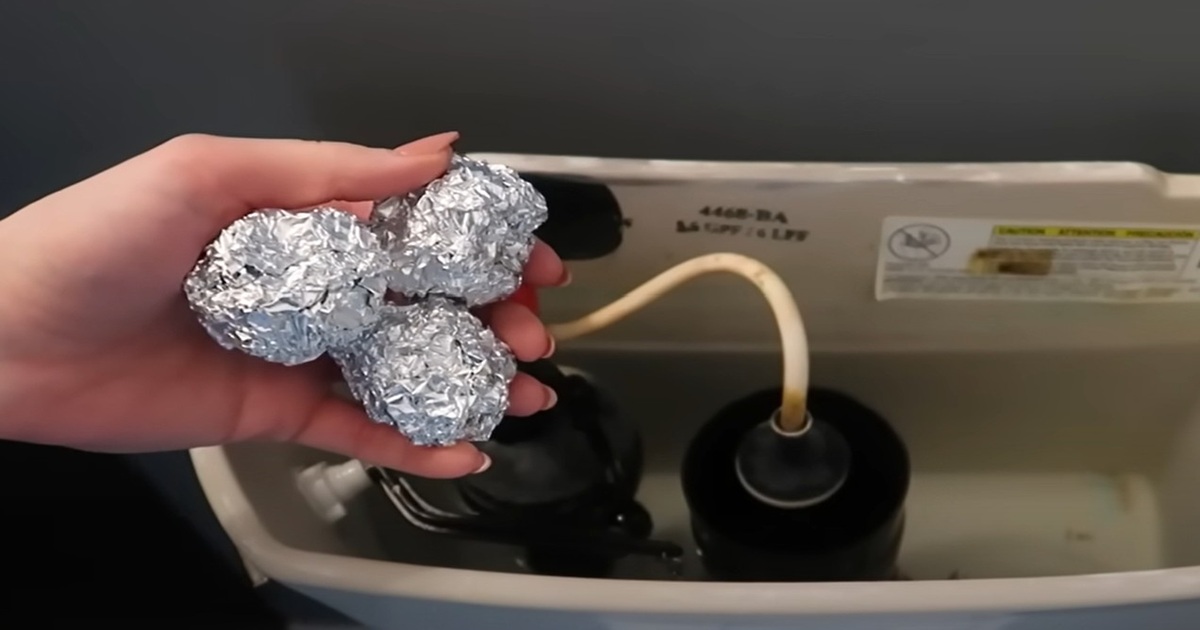
You’ve probably come across the viral videos on platforms like TikTok or YouTube. In these videos, someone tosses a small ball of aluminum foil into their toilet tank and claims it works miracles: reduces leaks, minimizes rust, cuts water bills, and cleans the toilet bowl while keeping it fresh longer. Sounds too good to be true? That’s the whole point. And even better, these sorts of hacks don’t just stay on video. Others are trying it out on cleaning forums. One user suggests it, users perceive it to work, and then it’s in every forum on the internet. However, there really aren’t any facts to back it up.
Why Did It Get Viral?
The truth is much of these so-called “hacks” are centered around opinions without testing or expert advice. Social media has a way of turning shams into trends. Plus, everyone is searching for a hack that simplifies and speeds up a task. The result? People try things out, but there is also danger. Some of them do not necessarily get the end result people are expecting, and even worse, it could actually cause more problems.
That is the reason I wanted to look into this one a little deeper. Let’s get into some of the myth and see what the professional plumbers say along with the science. Goal? To supply you with the information to make the decision on whether the foil in the tank is the next best thing… or just another internet scam.
How the Idea Got Started (and Why People Buy It)
Like many other internet hacks, this one seems to originate on social media. TikTok, YouTube, and then the forums or home DIY groups got into the action. One video goes viral and suddenly everyone is putting foil in their toilet tanks.
It’s not that hard to believe because, as my grandmother would say, aluminum foil is useful in the household. You can crumple it and scrub a burnt-on pan, sharpen scissors by cutting through foil, or even tuck aluminum foil under your ironing board to reflect heat back into your clothes. Because foil is a metal, is somewhat resistant to corrosion, and reflects light, people say “well, why not put it in your toilet too.” Then the momentum begins.
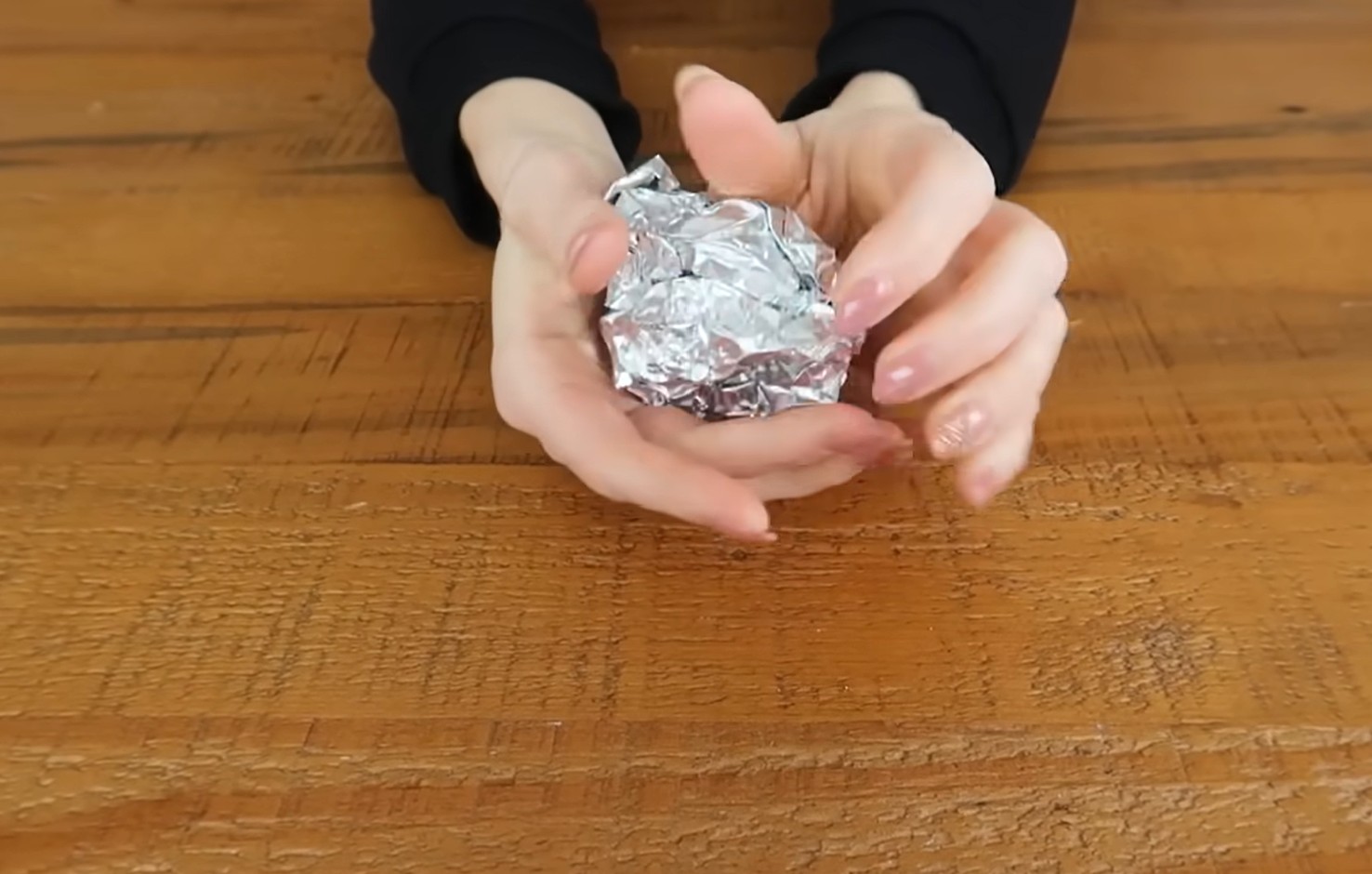
What Foil Is Said to Do in Toilet Tanks
The claims are always consistent as:
- Saves water because it occupies space in the tank.
- Prevents leaks by somehow letting your flapper seal up better.
- Eliminates rusting and mineral buildup.
- Keeps the toilet cleaner longer.
Sounds interesting and clean. So, what’s the reality?
Reality Check: What Science and the Plumbing Community Say
Water Savings
The theory: Put foil in the tank so that it occupies volume so it will use less water per flush.
The reality is that there are plenty of actual devices for saving water. Examples include putting a bottle filled with sand or water or using engineered displacement bags. These devices are made with solid materials and are heavy enough to stay in an upright position, reducing the volume of water that fills the toilet tank.
Foil is flimsy, very light, and just floats around. Even if you roll it into a large ball, the displacement is a minuscule amount compared to a full bottle. It simply doesn’t behave that way.
Preventing Leaks
Some people say foil somehow helps the flapper valve (the rubber piece that rises and falls with each flush) seal better.
The fact is, leaks happen because flappers become worn, distorted, or because of mineral deposits. Foil doesn’t solve any of those problems. In fact, plumbing professionals will tell you not to put anything unapproved into the tank. Anything could cause a moving part to malfunction. There is no plumbing guide in history that advocated using foil as a sealing fix.
Preventing Rust and Mineral Buildup
The claim here is that foil prevents rust or scale.
But rust and scale are caused by minerals found in the water, the pH of the water, and the exposure of metal parts. Foil doesn’t change the chemistry of the water; it won’t prevent the formation of calcium deposits, nor will it neutralize the iron. In some cases, the aluminum can react with certain cleaners and break down. This adds to the problem instead of preventing it.