
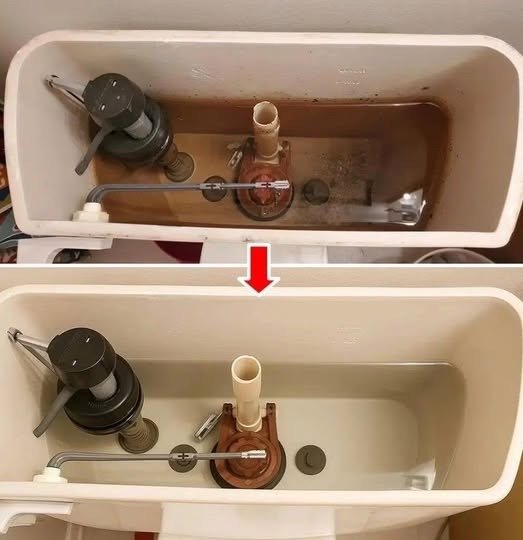
How to Clean Your Toilet Flush and Make It Look Like New
Many people spend time cleaning the toilet bowl, seat, and exterior, yet rarely think about the inside of the toilet tank. Because it stays out of sight, it is easy to overlook, but minerals from hard water can gradually build up inside the cistern. Over time, limescale and other deposits may affect the flushing mechanism, cause slower refilling, increase noise, or reduce the system’s overall efficiency.
Regularly cleaning the toilet tank can help prevent these problems and keep the flushing system working properly. It also reduces the buildup of mineral deposits that can shorten the lifespan of internal components. Fortunately, maintaining the tank does not require specialized skills or expensive products, and adding it to your regular cleaning routine can help improve your bathroom’s overall cleanliness.
One of the simplest cleaning methods uses common household ingredients such as white vinegar. After turning off the water supply and emptying the tank, pour white vinegar into the cistern and allow it to sit for several hours—or overnight if mineral buildup is significant. The vinegar helps dissolve limescale and loosen deposits naturally. After soaking, gently scrub the inside with a soft brush, avoiding abrasive tools that could damage the components, then restore the water supply and flush the toilet several times to rinse everything clean.
Cleaning the toilet tank once or twice a year is often enough for most households, although homes with hard water may benefit from more frequent maintenance. Regular care can help the flushing mechanism operate smoothly, reduce mineral buildup, and improve efficiency without relying on harsh chemicals. A little preventive maintenance can go a long way in keeping your toilet functioning reliably and your bathroom feeling fresh.