
Strange Metal Part Found on a Truck Leaves Owner Curious
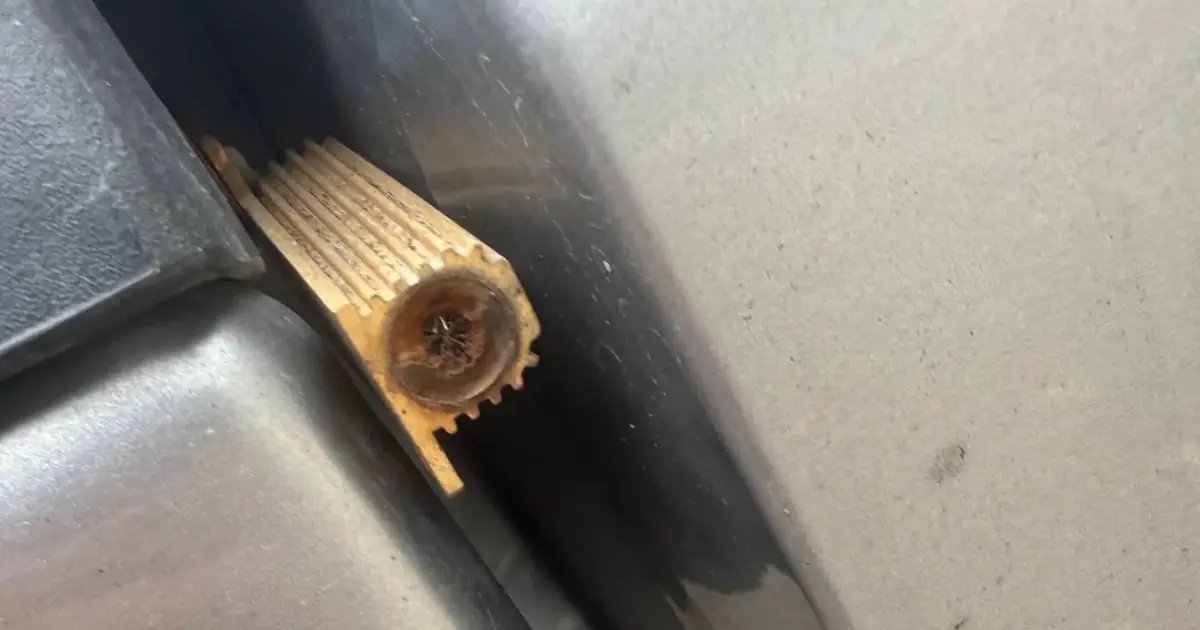
A small, finned metal block found on a truck left its owner wondering what it was. The component appears to be a power resistor of the type often used with aftermarket LED lighting, although whether it was ever connected to the vehicle’s electrical system remains uncertain. With its ribbed metal housing, the block looks more like engine hardware than a lighting accessory. What purpose could such an unfamiliar component serve? The answer may lie in a clever electrical workaround. When installed with LED turn signals, a load resistor draws additional current to help the vehicle’s monitoring system detect the electrical load it expects from an incandescent bulb.
Where LED Load Resistors Are Installed
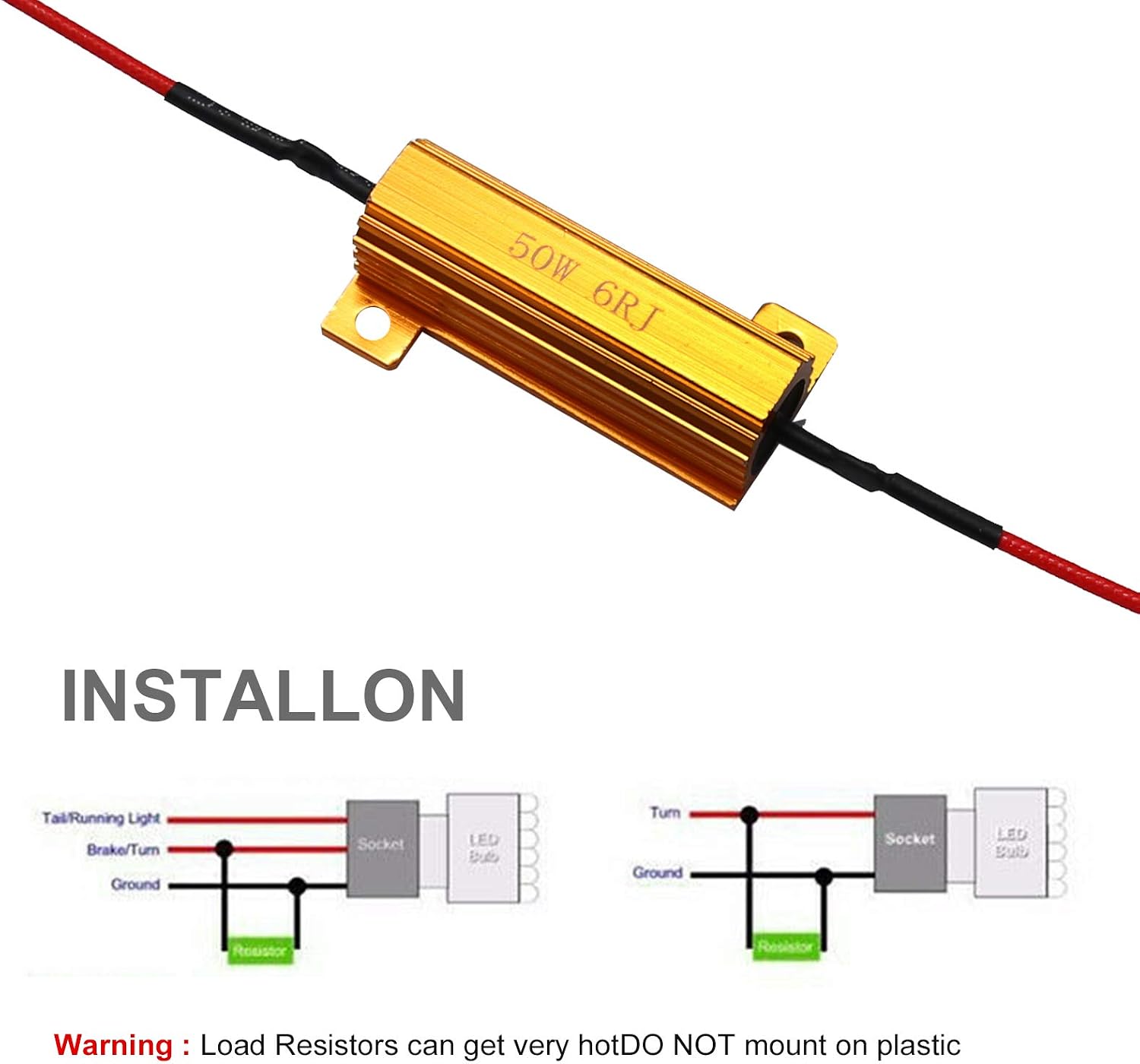
An LED load resistor commonly has a rectangular, finned aluminum housing designed to help dissipate heat. In turn-signal applications, two wires connect it to the vehicle’s lighting circuit. When installed for an LED conversion, the resistor connects in parallel with the bulb rather than in series. This creates a separate path for additional current without interrupting the LED’s operation.
External load resistors like these are commonly aftermarket additions, installed when a vehicle’s original incandescent bulbs are replaced with LEDs. Installers typically secure these resistors to a suitable metal surface near the lighting circuit to help dissipate heat, keeping them away from plastic, wiring, and other heat-sensitive materials. Because these components are usually tucked away from view, many drivers may never notice them, even when they are properly installed.
Why Swapping to LED Bulbs Can Cause Blinker Problems
In some vehicles, trouble begins when traditional incandescent turn-signal bulbs are replaced with LEDs. A filament bulb is a thirsty thing. It heats a wire until it glows, and that takes a fair amount of current. Many vehicle turn-signal systems monitor electrical consumption to detect when a bulb has failed.
Because LEDs produce light more efficiently than incandescent bulbs, they draw much less current, potentially falling below the load expected by the vehicle’s monitoring system.
Depending on the vehicle, the turn signal may begin flashing much faster than normal, a condition known as hyperflashing. This faster rhythm normally warns the driver about a failed bulb. Some vehicles may instead display a bulb-out warning on the dashboard, even though the LED is working correctly.
Not every vehicle experiences these problems after switching to LED bulbs. Some lighting systems are designed for LEDs from the start, while others can accommodate compatible replacements without triggering warnings. Whether a load resistor is necessary depends on how the vehicle monitors its lighting circuit.
How a Resistor Fakes a Filament Bulb
This is where the little block earns its place. When properly matched to the vehicle, a load resistor compensates for the LED’s lower current draw, helping restore normal flashing and prevent false dashboard warnings. However, this workaround can sometimes hide a genuine lighting problem. Because the resistor draws current independently of the LED, certain vehicle monitoring systems may fail to detect when the replacement bulb stops working.
A load resistor is not the only way to address hyperflashing. Some vehicles with replaceable flasher relays can use an LED-compatible relay instead. This approach avoids adding a component that consumes extra electricity and produces heat. However, whether the alternative works depends on how the vehicle’s turn-signal system is designed.
That extra electrical load comes with a trade-off. The resistor converts electrical energy into heat, while its finned aluminum housing helps dissipate it. Even so, the component can reach extremely high temperatures during operation and remain hot afterward. Because it deliberately consumes additional power, the resistor reduces some of the energy savings that make LED lighting attractive in the first place.
Why This Keeps Puzzling People
Without knowing its history or seeing how it was connected, there is no reliable way to determine whether the block was once part of a lighting modification or simply became lodged in the truck.
The same curiosity surrounds that small door on the back of a trailer, another unfamiliar feature whose purpose isn’t immediately obvious.
Sometimes, the smallest automotive components reveal surprising differences between traditional vehicle systems and modern technology.