
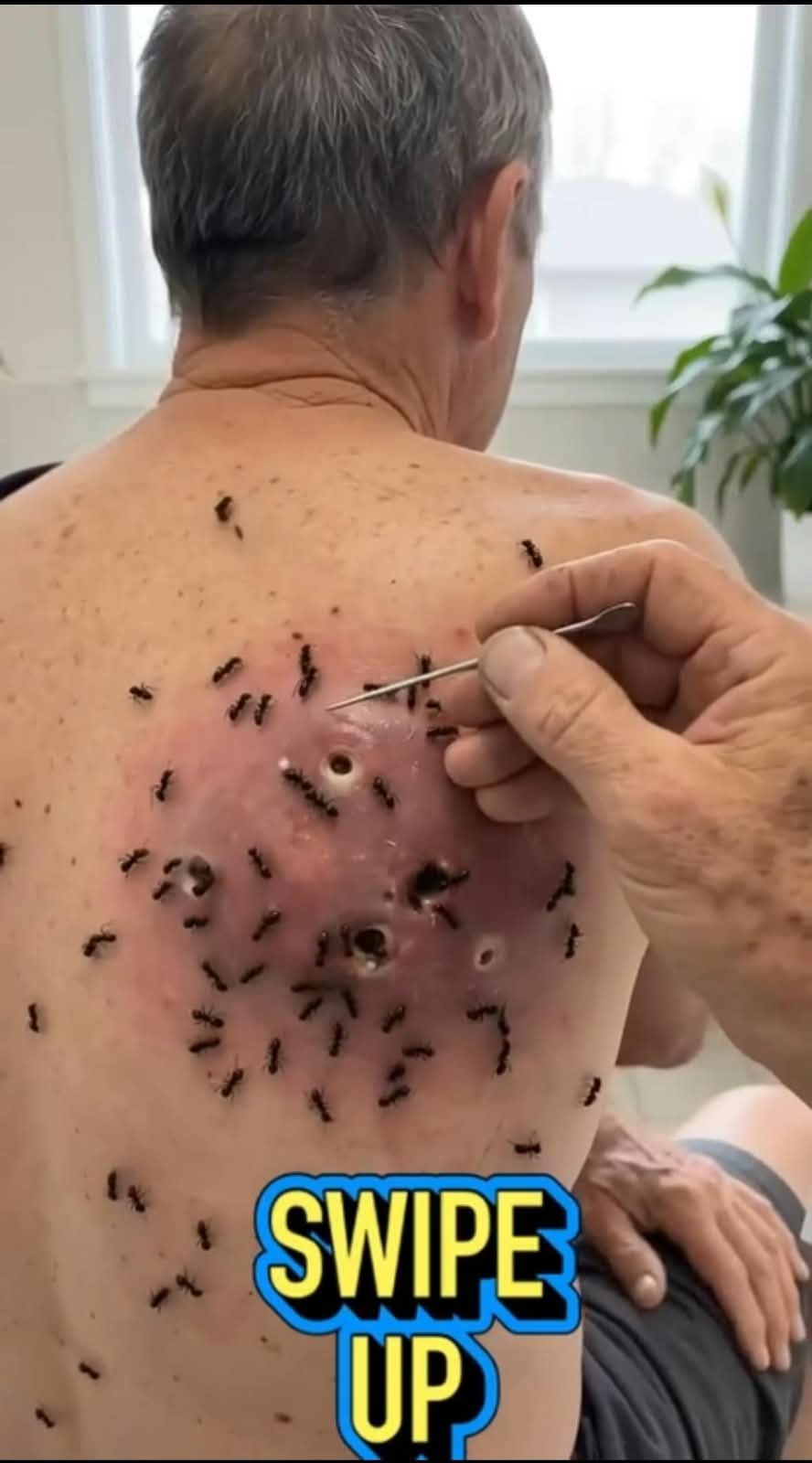
🐝 A Large Wasp Pressed Against the Skin — What Happens During a Sting?
Although the scene looks dramatic, the photograph does not establish that the insect is embedded in the skin or that a sting has occurred. Understanding how wasp stings work is important for safe treatment.
Can a Wasp Burrow Beneath Human Skin?
No. Wasps do not normally burrow beneath human skin or live inside the body. They use a specialized stinger to inject venom when they feel threatened.
A sting can cause immediate pain, redness, itching, and swelling. In many cases, the reaction remains limited to the area where the sting occurred.
Wasps can also sting more than once, so attempting to catch or handle one can be dangerous.
Why Does a Wasp Sting Cause Swelling?
When a wasp stings, venom enters the skin and triggers an inflammatory response. The body’s immune system reacts, which can produce several symptoms:
- Redness around the sting site.
- A raised, swollen area.
- Burning or sharp pain.
- Itching and tenderness.
- Warmth around the affected skin.
Some people develop a larger local reaction, with swelling that becomes more noticeable over the following hours.
However, widespread swelling, breathing difficulties, or dizziness may indicate a serious allergic reaction and require emergency care.
5 Important Safety Tips After a Wasp Sting
- Avoid handling wasps: Never try to grab or remove a wasp with your bare hands.
- Clean the sting area: Gently wash the affected skin with soap and water.
- Apply a cold compress: Use a wrapped cold pack for around 10–20 minutes to help ease swelling.
- Do not squeeze or cut the skin: Avoid sharp tools and unverified extraction methods.
- Recognize allergic reactions: Get emergency help for breathing difficulty, throat or tongue swelling, dizziness, or fainting.