
Severe Blackheads, Cystic Acne & Comedone Extraction: Causes, Treatment, and Prevention
Severe Blackheads and Cystic Acne: Understanding Deeply Clogged Pores
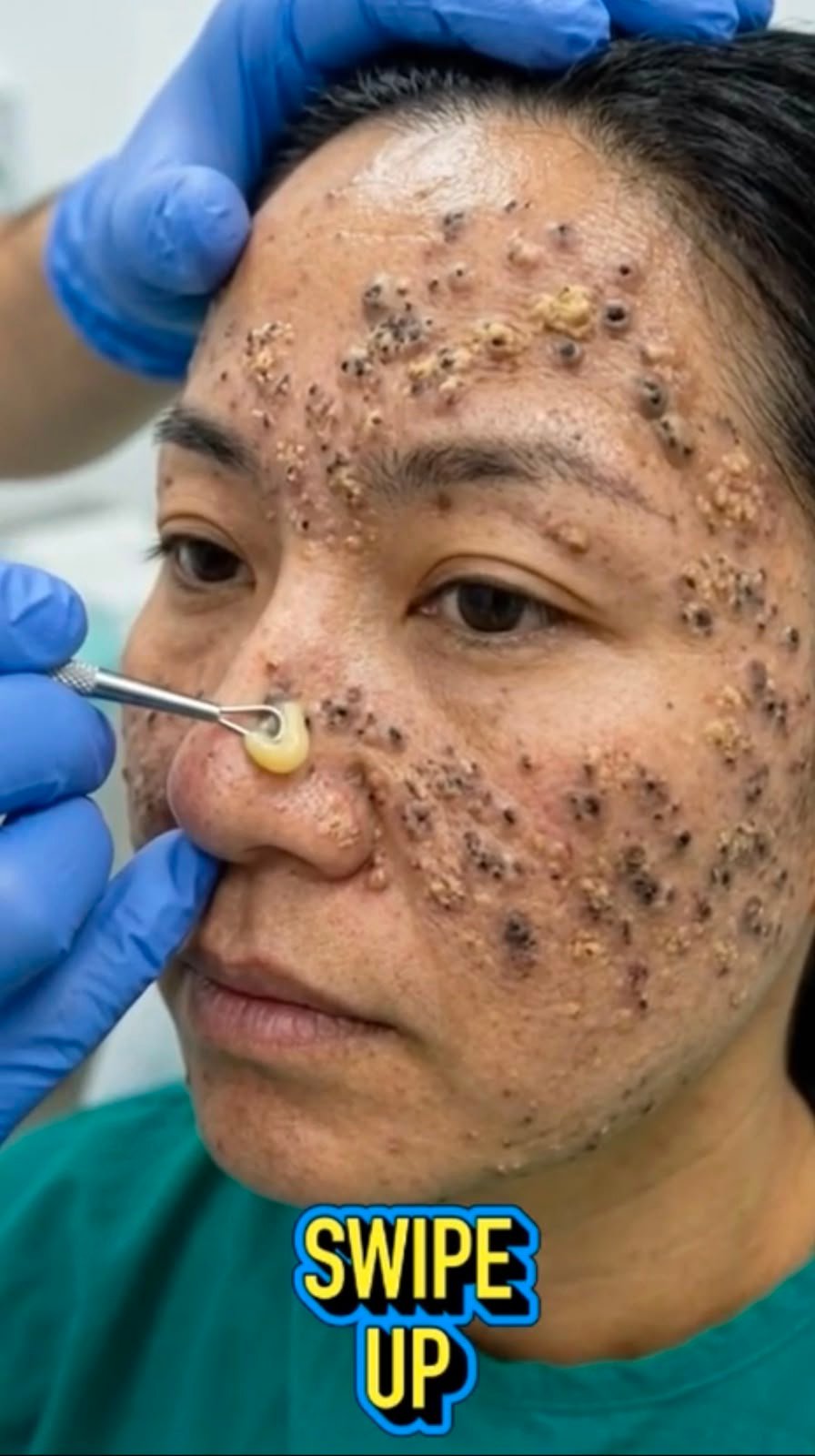
Blackheads are one of the most common skin conditions, but in some individuals they can become widespread and severe. The image appears to show numerous blackheads (open comedones), inflamed acne lesions, and enlarged clogged pores, with a dermatologist performing a professional extraction on the nose.
Although these lesions can look alarming, they are often associated with chronic acne and excessive oil production rather than poor hygiene. Early treatment can help reduce inflammation, prevent scarring, and improve overall skin health.
What Are Blackheads?
Blackheads, medically known as open comedones, develop when a hair follicle becomes blocked with:
- Excess sebum (skin oil)
- Dead skin cells
- Keratin
- Skin debris
Because the pore remains open to the air, the material oxidizes and turns dark, creating the characteristic black appearance.
Blackheads are not caused by dirt, and washing the face excessively will not remove them.
What Is Cystic Acne?
Cystic acne is a more severe form of acne that develops when clogged pores become deeply inflamed.
Unlike ordinary pimples, cystic acne forms beneath the skin and may cause:
- Painful swollen lumps
- Redness
- Pus-filled nodules
- Skin tenderness
- Permanent acne scars if untreated
People with severe acne often have both blackheads and inflamed cysts at the same time.
Why Do Some People Develop Severe Blackheads?
Several factors increase the risk of widespread clogged pores.
Excess Oil Production
Overactive sebaceous glands produce large amounts of oil that mix with dead skin cells.
Hormonal Changes
Hormonal fluctuations during puberty, adulthood, pregnancy, or stress can increase oil production.
Genetics
A family history of acne often increases the likelihood of developing severe breakouts.
Dead Skin Cell Build-Up
When skin cells fail to shed properly, pores become blocked more easily.
Cosmetics and Skincare Products
Heavy or pore-clogging products may worsen acne in susceptible individuals.
Symptoms of Severe Comedonal Acne
People with extensive blackheads may experience:
- Hundreds of visible blackheads
- Enlarged pores
- Rough skin texture
- Whiteheads
- Inflamed pimples
- Painful cysts
- Acne scars
- Persistent oily skin
Without treatment, the condition may gradually worsen.
How Dermatologists Treat Severe Blackheads
Professional treatment usually combines extraction with medical therapy.
Professional Comedone Extraction
Using sterile instruments, dermatologists carefully remove hardened plugs from clogged pores while minimizing skin injury.
Professional extraction is much safer than squeezing blackheads at home.
Topical Retinoids
Retinoids increase skin cell turnover and help prevent new clogged pores from forming.
Common benefits include:
- Fewer blackheads
- Smaller-looking pores
- Smoother skin texture
- Reduced acne recurrence
Salicylic Acid
Salicylic acid penetrates oily pores and dissolves excess sebum and dead skin cells.
It is one of the most effective ingredients for blackhead-prone skin.
Benzoyl Peroxide
For inflammatory acne, benzoyl peroxide helps reduce acne-causing bacteria and inflammation.
Oral Medications
In severe cases, dermatologists may prescribe:
- Oral antibiotics
- Hormonal therapy (for some patients)
- Isotretinoin (Accutane) for severe nodulocystic acne under close medical supervision
Can You Remove Blackheads Yourself?
Small blackheads may improve with proper skincare, but attempting to squeeze deep or numerous blackheads at home can lead to:
- Infection
- Skin damage
- Scarring
- Increased inflammation
- Enlarged pores
Professional extraction is recommended for extensive or stubborn lesions
Final Thoughts
Severe blackheads and cystic acne can affect both appearance and confidence, but they are highly treatable with the right approach. Professional extractions, prescription medications, and a consistent skincare routine can dramatically improve skin health while reducing the risk of permanent scarring. If acne becomes widespread, painful, or resistant to over-the-counter products, a dermatologist can recommend a personalized treatment plan.