
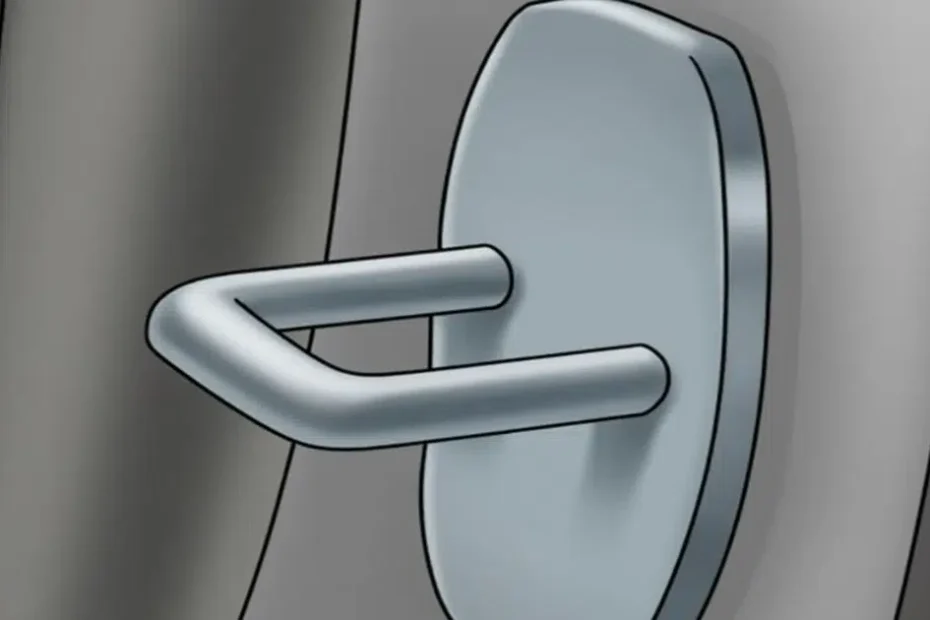
The Hidden Job of That Little Hook on Your Car Door
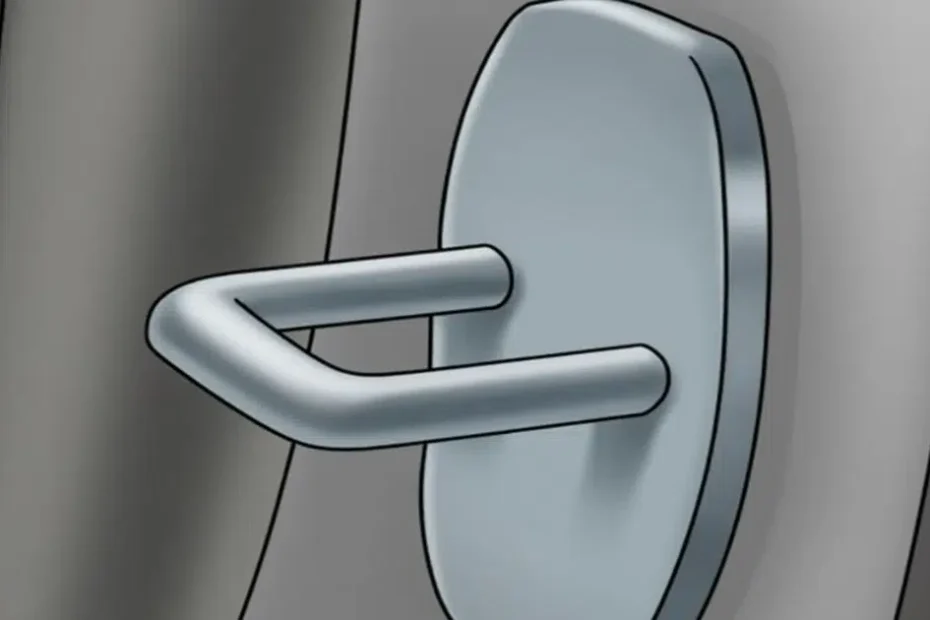
You’ve bumped into it. You’ve probably cursed it under your breath when it caught your elbow on the way out of the car. That small metal loop (or pin) sticking out of the door frame is one of those car parts almost nobody thinks about until they notice it. Most of us assume it’s just “part of the door latch.” That’s only half the story.
That little piece of hardware is officially called a door striker (or latch striker). And while it looks simple, it quietly does several important jobs every single time you close the door. Some of those jobs are everyday convenience. One of them is genuine crash safety.
What Exactly Is a Door Striker?
When you shut the door and hear that solid “clunk,” the latch inside the door has just grabbed onto the striker. The striker is the fixed metal piece mounted on the body of the car. Older designs often look like a loop or U-shaped bar. Newer ones can be a sturdy pin with a thick disc or bushing. Either way, it’s the target the latch needs to catch and hold.
Without it, the door would have nothing solid to lock onto. You’d be left with a door that might stay mostly closed but would rattle, leak air, and fail when you need it most.
It Keeps the Door Closed When It Really Counts
Yes, the obvious job is keeping the door shut while you drive. But the real reason engineers care so much about this part shows up in a crash. Federal safety standards (the ones that govern door locks and retention systems) require the latch, hinges, and striker to work together so the door stays closed under high forces. The goal is simple and serious: keep people inside the vehicle instead of being thrown out.
In a side impact or rollover, the striker helps the door stay locked to the body structure. That keeps the overall cabin stronger and reduces the chance of the door flying open. It’s not the only piece of the safety system, but it is a critical one. A door that stays shut is a door that continues protecting the people inside.
There’s a quieter benefit too. When the latch is firmly locked onto the striker, the door presses evenly against the weather seals. That means less wind noise, fewer water leaks, and less road noise sneaking into the cabin. If your car suddenly starts whistling or the door starts vibrating on rough roads, a worn or loose striker is one of the first places to look.
Why Your Door Doesn’t Rattle Like a Shopping Cart
Even on a normal drive, the striker is working. It holds the door in a precise position so it can’t bounce up and down or in and out. That steady hold keeps the weatherstripping aligned and the seals doing their job. A loose striker often shows up as a door that feels slightly floppy, makes extra noise over bumps, or needs a harder slam to close cleanly.
Over time the plastic or rubber bushing on many strikers can wear. When that happens the door may start to sag a little, the latch may not catch as cleanly, and you’ll notice the difference every time you get in or out. A quick visual check and occasional cleaning of the area can prevent bigger headaches later.
The Unexpected Extra Jobs People Give It
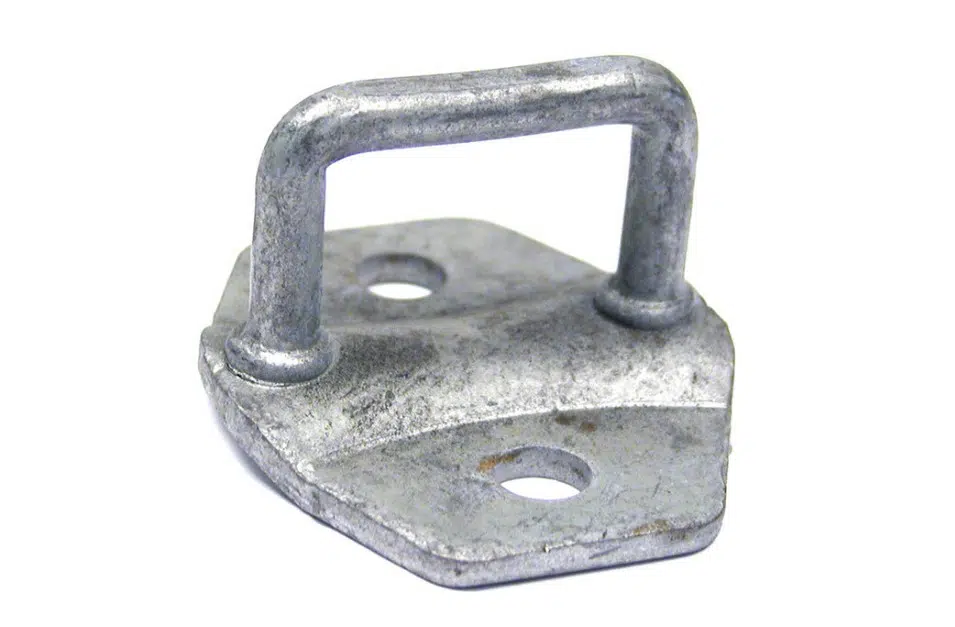
Here’s where things get interesting. Because the striker is strong, accessible, and already bolted firmly to the body, people started treating it like a built-in mounting point. A few clever accessories now exist that use the striker in ways the original engineers never planned:
- Portable car steps – Foldable platforms that hook onto the striker so you can step up and reach a roof rack or cargo box without dragging a ladder around.
- Mobility assist handles – Grab bars designed to clip onto the striker, giving older drivers or anyone with limited mobility a solid handhold when getting in or out.
- Light cargo anchors – Some organizers and small nets use the striker as a tie-down point inside the cabin or near the rear doors.
These are aftermarket solutions, not factory features. They work because the striker is designed to handle serious forces. Still, they are not a free-for-all jungle gym.
A Few Important Warnings Before You Hang Anything on It
The striker is strong, but it has limits. Before you start using it for anything beyond closing the door, keep these points in mind:
Check your owner’s manual. Some manufacturers note whether the striker is rated for extra loads. If the manual is silent, treat it conservatively.
Only use accessories specifically designed for the striker. Random rope, carabiners, or homemade hooks can concentrate force in the wrong place and damage the latch or the body panel.
Inspect the area once in a while. Dirt, road salt, and rust build up. A striker that looks corroded or a latch that no longer clicks cleanly deserves attention. Cleaning and a light application of the right lubricant usually keep everything working smoothly.
And no, it is not a coat hook. The interior grab handles and coat hooks are separate parts. Hanging a heavy bag or dry cleaning on the striker is asking for trouble.
Why This Little Part Deserves More Respect
Most car features get attention because they light up, make noise, or look impressive. The door striker does none of those things. It just sits there, day after day, locking the door, quieting the cabin, and standing ready if something goes wrong.
Next time you climb into your car, take half a second to glance at that small metal piece on the door frame. It’s not random hardware. It’s a quiet piece of engineering that helps keep the door closed, the ride quieter, and the people inside safer. Not bad for something most of us only notice when we bump our elbow on it.
Disclaimer:
This website is for informational and entertainment purposes only. We are not a real estate company and do not sell, list, or broker properties. We simply run a blog that shares interesting houses found on other websites.All real estate decisions should be made with licensed professionals. We cannot guarantee that the information here is always accurate or up to date. Use the content at your own discretion.