
Why Does My Milk Have Tiny White Flakes if It Isn’t Expired See why
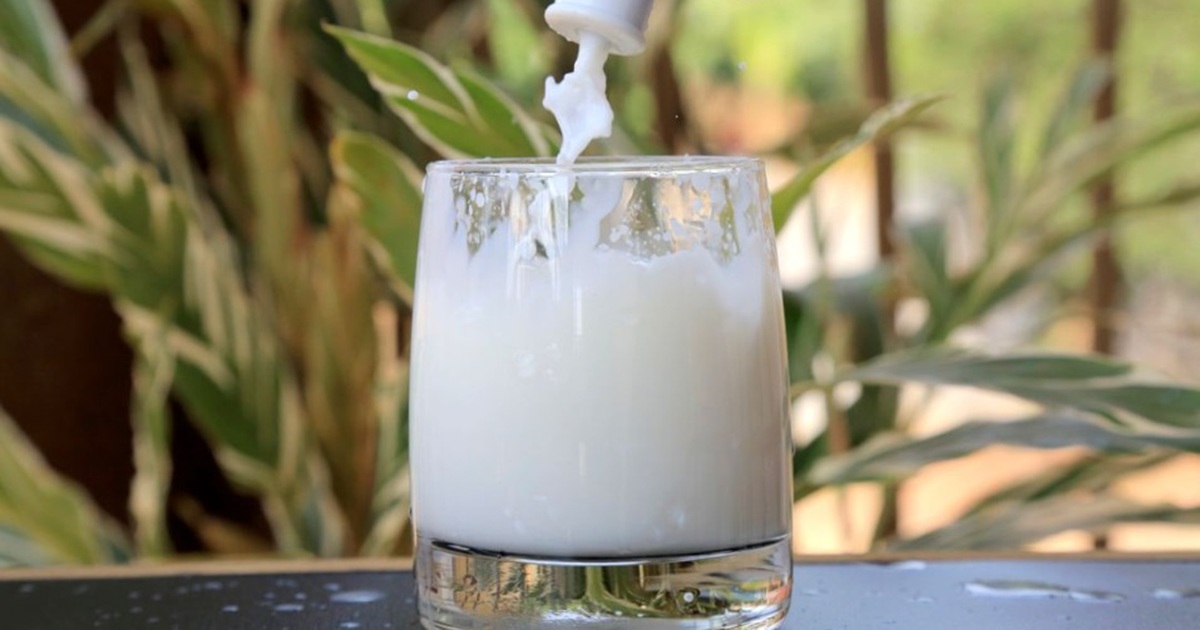
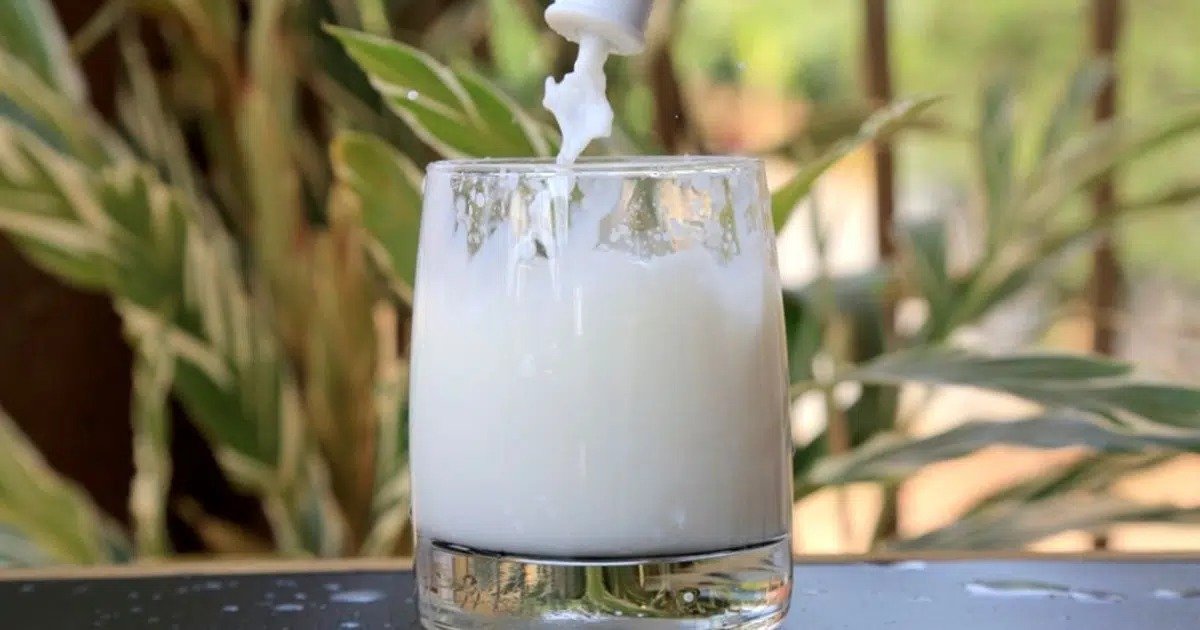
The other morning I poured a glass of milk, held it up, and spotted a few tiny white flakes drifting near the surface. My first instinct was to check the date on the carton, sure it had turned. Nope. Still four days out. So I stood there, glass in hand, wondering if the milk was quietly going off ahead of schedule. Turns out those white flakes in milk can mean different things depending on the type of milk and what other signs are present. In pasteurized milk, they may be dried milk or separated fat, but they can also appear with spoilage. In raw milk, white flakes or clots can signal mastitis infection and shouldn’t be assumed to be harmless. I want to walk through how to tell the difference.
What the White Flakes in Milk Usually Are
In pasteurized milk, the little specks can sometimes be one of two harmless things.
The first is dried milk crust. Every time you pour, a bit of milk splashes up near the spout, under the cap, or around the rim of the jug. That splash dries out into a crusty little film. Next time you tip the container, those dried bits break loose and drop right back into the liquid. So you end up with white crusty flakes floating around that may simply be dried-on milk rather than a sign of spoilage. If you’ve ever noticed a chalky ring around the mouth of the jug, that’s the same stuff before it flakes off.
The second possible cause is milk fat that hasn’t mixed back in. Milk fat can separate and gather into small white specks or soft granules. This can show up more with milk that was previously frozen, since freezing can affect the milk’s texture. Give it a good swirl and separated fat may blend back in.
Here’s the key point. White flakes alone don’t tell you whether milk has gone bad. A crusty flake, separated fat, and a curdled clump can look similar at a glance, so the flakes are a prompt to check further, not a verdict. And if you’re dealing with raw milk, flakes or clots shouldn’t automatically be dismissed as dried milk or fat because they can be a sign of mastitis.
When Flakes Actually Mean the Milk Has Gone Bad
So when should you actually worry? The difference comes down to what your other senses tell you.
Dried-milk and separated-fat flakes may appear as small bits in otherwise smooth, normal milk. Spoilage looks and behaves differently. Spoiled milk can develop thicker lumps or clumps that won’t stir back into a smooth liquid, along with a sour or plain off smell. Those changes are a much stronger reason to discard the milk than white flakes alone.